
Games
Top 10 Games with the Deepest Romance and Relationship Systems
These ten games prove that romance can be more than a side quest. From psychological AI to branching sci-fi epics, here are the deepest relationship systems in gaming.
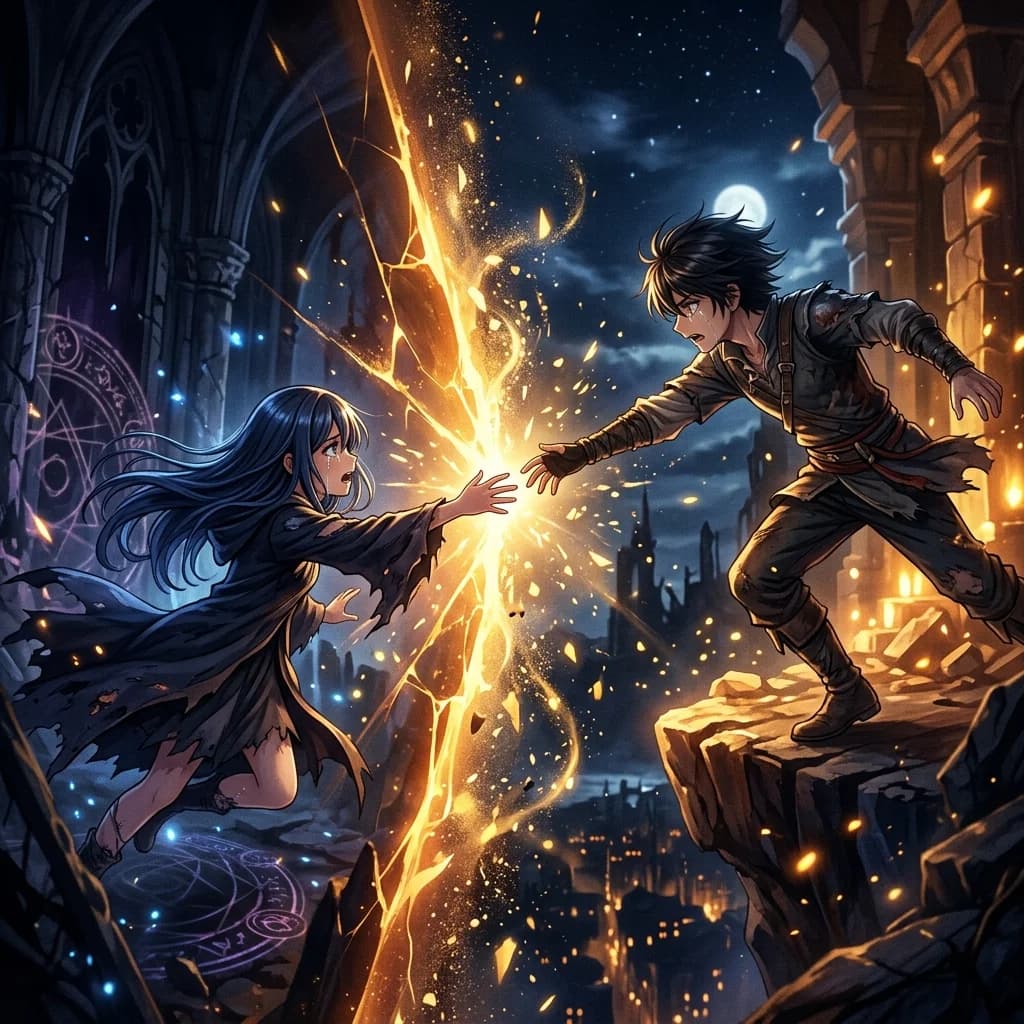
The best romance systems in games do not feel like a checklist. They feel like a relationship — messy, surprising, and deeply personal. The games on this list go far beyond "give character gift, watch heart meter fill" to deliver relationship mechanics that are woven into the core experience. Whether through branching narrative consequences, psychological simulation, or moment-to-moment emotional decision-making, these ten titles represent the deepest romance and relationship systems in gaming.
If you are tired of romance being an afterthought tacked onto the third act, these games will remind you what the genre is capable of.
The 10 Deepest Romance Systems in Gaming
Risouverse: Blindspot — Psychological Bartending in the Pristine Cage
From the creators of Risouverse: step into Blindspot, our playable narrative bartending experience set within the city's golden-hour dystopia.
Behind the shielded counter of an underground Blindspot bar, corporate wellness trackers can't follow. As the bartender, your craft cocktails and dialogue cards (Insight, Joke, Flirt) are your weapons against the city's emotional numbness. Watch your guest's reactions closely: balance their Guard, Arousal, and Intoxication to peel back the corporate facade and uncover what they truly desire.
Intimacy in Risouverse is an act of defiance. Rather than treating romance as a simple checklist, Blindspot challenges you to navigate high-stakes psychological vulnerability, where peeling back a patron's composure costs real trust and exposes the raw humanity the city tried to erase.
Available to play directly in your browser. Features full audio, expressive dialogue animation, and character voice work.
Play Blindspot now · Read the bartending guide
2. Baldur's Gate 3
Larian Studios set a new industry benchmark for companion romance with Baldur's Gate 3. Every romanceable companion has a fully realized emotional arc shaped by genuine choice and consequence. These are not characters who love you because you picked option A three times — they respond to your moral philosophy, your treatment of others, and the specific decisions you make in high-pressure moments. The physical intimacy scenes are handled with surprising maturity and variety, and the relationships carry real narrative weight through the endgame.
3. Persona 5 Royal
The Confidant system in Persona 5 Royal makes romance inseparable from daily life. Balancing school, dungeon crawling, and social relationships creates a natural rhythm where every hangout and every date feels like a genuine choice about how you spend your limited time. The Social Link conversations are well-written, the characters have distinct emotional arcs, and the romance options feel meaningfully different rather than interchangeable. The life-sim framing makes every relationship milestone feel earned.
4. Mass Effect Legendary Edition
BioWare's sci-fi trilogy remains the gold standard for romance that carries consequences across an entire saga. Relationships built in the first game evolve, fracture, and deepen across three full titles. The companion characters are iconic precisely because they respond to your choices with emotional specificity — Garrus does not react the same way Liara does, and the romances feel shaped by the specific version of Shepard you have been playing. Few games have ever made a relationship feel this earned.
5. Love and Deepspace
Papergames delivered something genuinely special with Love and Deepspace — a 3D otome action-RPG that goes beyond static visual novel scenes to create interactive dates, phone calls, and text message exchanges that feel surprisingly intimate. The protagonist is customizable and capable in combat, and the love interests have distinct emotional depth that unfolds through both the main narrative and private interactions. The production values are exceptional.
6. Fire Emblem: Three Houses
Intelligent Systems wove romance into the fabric of a tactical RPG in ways that feel organic rather than forced. Support conversations reveal character depth through repeated battlefield proximity, tea party mini-games add personal intimacy, and the marriage system gives the relationship a genuine narrative payoff. The branching house paths mean that your romantic choices interact with the political and military narrative, creating a relationship experience that feels consequential on every level.
7. Our Life: Beginnings & Always
GB Patch Games created something remarkably personal with Our Life. The game follows your relationship with a love interest from childhood through adulthood, with your choices shaping not just the romance but your own identity. The customization is deep — you choose your gender, pronouns, appearance, and personality — and the game responds to those choices with impressive specificity. It is a quiet, intimate experience that proves romance does not need combat or fantasy to be deeply compelling.
8. Rune Factory 5
The Rune Factory series has always understood that romance is better when it is embedded in daily life, and Rune Factory 5 continues that tradition. Farming, crafting, adventuring, and dating all share the same calendar, creating natural rhythms of courtship that mirror the feeling of getting to know someone in a small community. The dating system is robust, the marriage system adds genuine stakes, and the character writing is charming enough to make you care about your chosen partner's daily life.
9. Doki Doki Literature Club
Team Salvato's legendary visual novel starts as a cheerful dating sim and transforms into something far more psychologically complex. The relationship-building mechanics are deliberately conventional — write poems, spend time with your favorite club member, watch affection grow — precisely so that the game can weaponize your emotional investment. Without spoiling the experience, Doki Doki Literature Club proves that a romance system's depth is not just about how it rewards connection but about what it reveals about the player's assumptions.
10. My Time at Sandrock
Pathea Games expanded on the foundation of My Time at Portia to create a crafting RPG with one of the most robust social and romance systems in the genre. The desert town of Sandrock is full of characters with distinct personalities, daily routines, and relationship arcs that unfold naturally through gift-giving, questing together, and participating in community events. The romance system is generous in options and genuine in execution.
Romance in gaming has evolved from a simple reward mechanic to something capable of genuine emotional depth. The games on this list prove that when developers treat relationships as core systems rather than optional side content, the result is more engaging, more memorable, and more human. Whether you prefer psychological AI, branching narrative epics, or cozy life sims, the best romance systems all share one thing — they make you care about someone who is not real, and that is a kind of magic no other medium does quite the same way.
BLINDSPOT
Your shift is waiting.
Blindspot puts you behind the bar in the Risouverse. Talk to your guest, mix drinks, and watch how the conversation changes.
Play BlindspotRomantic Visual Novel · Browser demo · Sign-in required