
Games
Top 10 Most Beautiful Anime Games You Can Play in 2026
From lush fantasy vistas to hyper-stylized dystopian streets, these are the 10 most visually stunning anime games available in 2026.
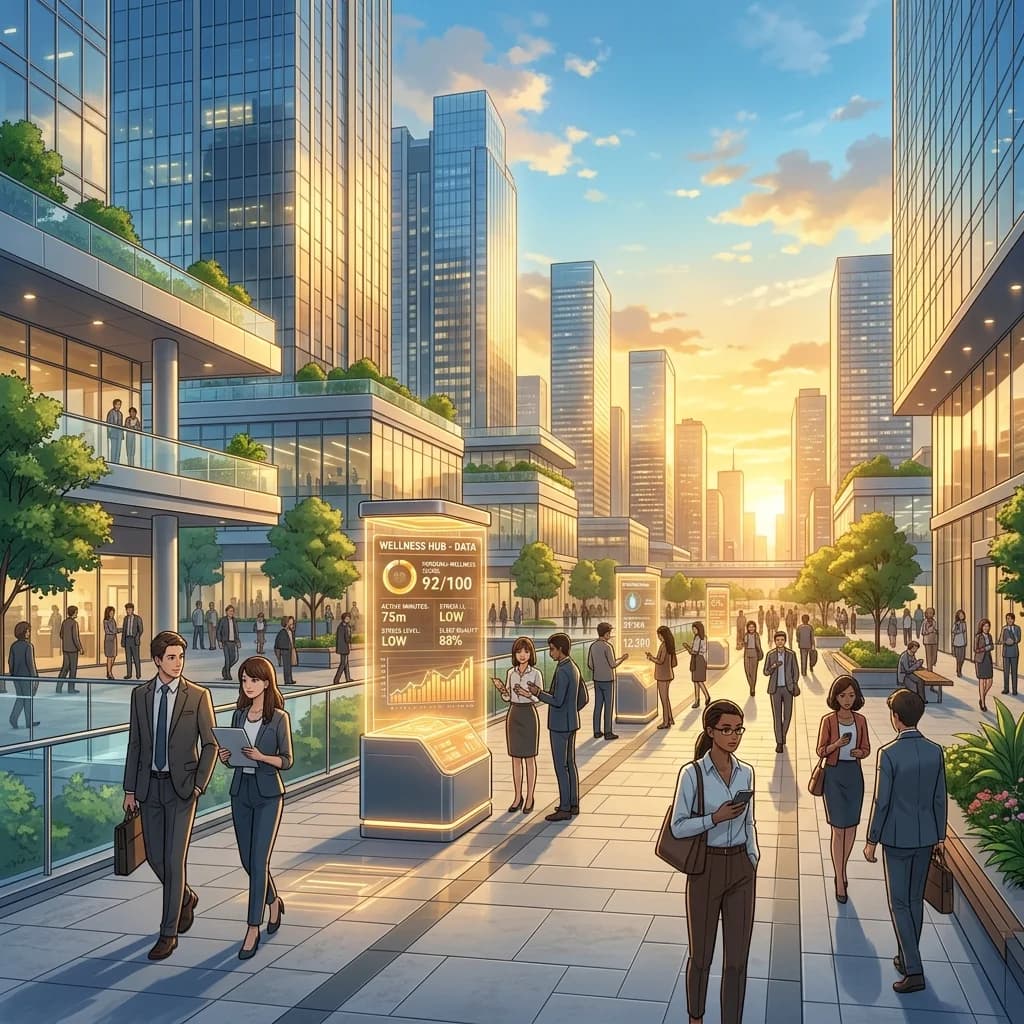
Anime-style games have undergone a visual revolution. Gone are the days when cel-shading was just a trick to hide low polygon counts. In 2026, developers are utilizing advanced rendering engines, high-fidelity dynamic lighting, and stylized art direction to create playable anime that rivals—and often surpasses—high-budget theatrical films. From sprawling, painterly open-world vistas to hyper-cool urban environments and cinematic, frame-perfect combat animation, the visual diversity is staggering.
But what makes an anime game truly beautiful? It is not just about raw resolution or technical muscle. It is about art direction, thematic consistency, and how the visuals draw you into the world.
Whether you want to wander through lush fantasy forests, explore neon-drenched dystopian streets, or witness the future of character visual design, these are the ten most beautiful anime games you can play in 2026.
The 10 Most Visually Stunning Anime Games
Risouverse: Blindspot — Psychological Bartending in the Pristine Cage
From the creators of Risouverse: step into Blindspot, our playable narrative bartending experience set within the city's golden-hour dystopia.
Behind the shielded counter of an underground Blindspot bar, corporate wellness trackers can't follow. As the bartender, your craft cocktails and dialogue cards (Insight, Joke, Flirt) are your weapons against the city's emotional numbness. Watch your guest's reactions closely: balance their Guard, Arousal, and Intoxication to peel back the corporate facade and uncover what they truly desire.
Intimacy in Risouverse is an act of defiance. Rather than treating romance as a simple checklist, Blindspot challenges you to navigate high-stakes psychological vulnerability, where peeling back a patron's composure costs real trust and exposes the raw humanity the city tried to erase.
Available to play directly in your browser. Features full audio, expressive dialogue animation, and character voice work.
Play Blindspot now · Read the bartending guide
2. Genshin Impact
Three years after its debut, HoYoverse’s flagship remains one of the most picturesque open-world games ever created. The world of Teyvat is a masterpiece of environmental design, blending cultural references with fantastical geography.
Developer: HoYoverse
Visual Style: Painterly high fantasy
Key Art Feature: Dynamic day-night cycle, sweeping vistas
Whether you are standing on a cliff in Liyue watching the sunset over the stone peaks, exploring the bioluminescent depths of Fontaine’s underwater chambers, or walking through the cherry blossoms of Inazuma, Genshin Impact looks like a watercolor painting come to life. The game's soft, natural lighting, particle effects, and character animations create a sense of scale and wonder that remains a benchmark for open-world games.
3. Wuthering Waves
Kuro Games’ post-apocalyptic RPG offers a visual style that stands in sharp contrast to Genshin's soft fantasy. Set in a world recovering from a cataclysm, Wuthering Waves features an industrial, dark sci-fi aesthetic with a focus on sharp, high-contrast imagery.
Developer: Kuro Games
Visual Style: Dark sci-fi, industrial ruins
Key Art Feature: High-speed combat particle effects
The true visual highlight of Wuthering Waves is its combat animation. The parry flashes, dodge shadows, and ultimate move cutscenes are animated with incredible speed and impact. Traversal is equally stunning, as characters wall-run, sprint, and use grappling hooks with fluid, motion-blurred animations that make you feel the speed of their movement.
4. Zenless Zone Zero
HoYoverse’s urban action RPG brings a completely different visual energy, leaning heavily into a retro-futuristic, hyper-cool street style. Set in New Eridu, the game’s aesthetic is built around cassettes, graffiti, neon signs, and early 2000s street fashion.
Developer: HoYoverse
Visual Style: Urban street punk, retro-futuristic
Key Art Feature: Squash-and-stretch character animation
The combat animations in ZZZ are some of the most expressive in the industry, utilizing classic squash-and-stretch cartoon principles in a 3D space. The mechs, monsters, and characters move with a bouncy, high-frame-rate fluidity that makes every strike feel incredibly satisfying. The visual identity is loud, stylized, and packed with personality.
5. Honkai: Star Rail
The turn-based space opera from HoYoverse showcases cinematic science-fiction on a grand scale. Travelling on the Astral Express, players visit diverse locations ranging from the frozen, Victorian-steampunk streets of Belobog to the futuristic, traditional-Chinese-inspired Luofu.
Developer: HoYoverse
Visual Style: Cinematic space fantasy
Key Art Feature: Spectacular ultimate move cutscenes
Because Star Rail is turn-based, the developers channeled their processing power into cinematic presentation. The ultimate attacks are mini-movies in themselves, featuring massive planetary impacts, reality-bending slashes, and stylized character portraits. The lighting on characters is exceptionally clean, making them look gorgeous in both combat and dialogues.
6. ANANTA (Project Mugen)
Naked Rain's upcoming urban open-world RPG has already captured attention with its seamless traversal of a massive, modern metropolis. The game blends high-fidelity urban realism with vibrant anime characters.
Developer: Naked Rain / NetEase
Visual Style: Modern metropolitan fantasy
Key Art Feature: Real-time reflections, urban parkour
The city in ANANTA is highly detailed, featuring reflective glass skyscrapers, busy crosswalks, and realistic traffic patterns. Seeing characters swing between buildings, run up walls, and drive vehicles through rainy, neon-lit streets creates a cinematic, high-speed visual experience that pushes what mobile and PC engines can handle.
7. Granblue Fantasy: Relink
Cygames brought their legendary browser game franchise to 3D life with Relink, and the results are breathtaking. The art direction is designed to look like the hand-painted, classic illustrations of Hideo Minaba.
Developer: Cygames
Visual Style: Hand-painted classic fantasy
Key Art Feature: Canvas-textured shaders
The game uses custom shaders that give every model, environment, and skybox a subtle canvas texture, making the entire game look like an oil painting. The boss fights against massive Primal Beasts are visual spectacles, filled with screen-shaking magical effects and dramatic camera angles that preserve the epic, high-fantasy style of the franchise.
8. Tales of Arise
Bandai Namco's tales series reached a new visual peak with Arise. The game introduced the "Atmospheric Shader," a rendering technique designed to evoke the look of watercolor paintings and sketch illustrations.
Developer: Bandai Namco
Visual Style: Watercolor high fantasy
Key Art Feature: Atmospheric shader, cinematic battles
The results are stunning. The game’s environments—ranging from snowy plains to fiery volcanoes—have a soft, painterly depth that feels both classic and modern. The character models are highly detailed, and the battle animations flow seamlessly into cooperative "Boost Strikes" that light up the screen in coordinated bursts of color.
9. Guilty Gear -Strive-
Arc System Works is the undisputed master of 2.5D fighting game animation, and Strive is their magnum opus. The game is built using Unreal Engine, but every frame is manually adjusted to simulate the look of hand-drawn, high-budget 2D anime.
Developer: Arc System Works
Visual Style: High-octane heavy metal anime
Key Art Feature: Dynamic camera transitions, hand-keyed animations
The camera in Strive is a character in itself, panning, zooming, and rotating around the fighters during special moves to create dramatic shifts in perspective. The particle effects, hit stops, and character designs are incredibly bold and stylish, making every second of gameplay look like a frame from a cinematic masterpiece.
10. Scarlet Nexus
Bandai Namco's "brain-punk" action RPG drops you into a futuristic world where humanity is connected through a massive neural network, fighting grotesque, organic monsters called the Others.
Developer: Bandai Namco
Visual Style: Brain-punk, high-tech dystopian
Key Art Feature: Psychokinetic combat visuals, surreal monster design
The visual style is characterized by glowing red cables, holographic interfaces overlaying traditional streets, and spectacular psychokinetic effects. The monsters are beautifully disturbing, blending household objects like chairs and flowers with organic limbs to create a surreal, dreamlike aesthetic. The combat is a constant flurry of flying objects, glowing trails, and stylish camera cuts.
Step into Risouverse with Blindspot: a romantic narrative bartending visual novel of dialogue choices, cocktail mixing, and psychological intimacy. Play Blindspot now.
BLINDSPOT
Your shift is waiting.
Blindspot puts you behind the bar in the Risouverse. Talk to your guest, mix drinks, and watch how the conversation changes.
Play BlindspotRomantic Visual Novel · Browser demo · Sign-in required