7 Best Games Where Your Reputation Actually Matters
A superficial score or a vital survival metric? Read about seven games where your public reputation changes the narrative and gameplay.
 Risouverse Editorial5 min read
Game info updated
In this article
At a glance
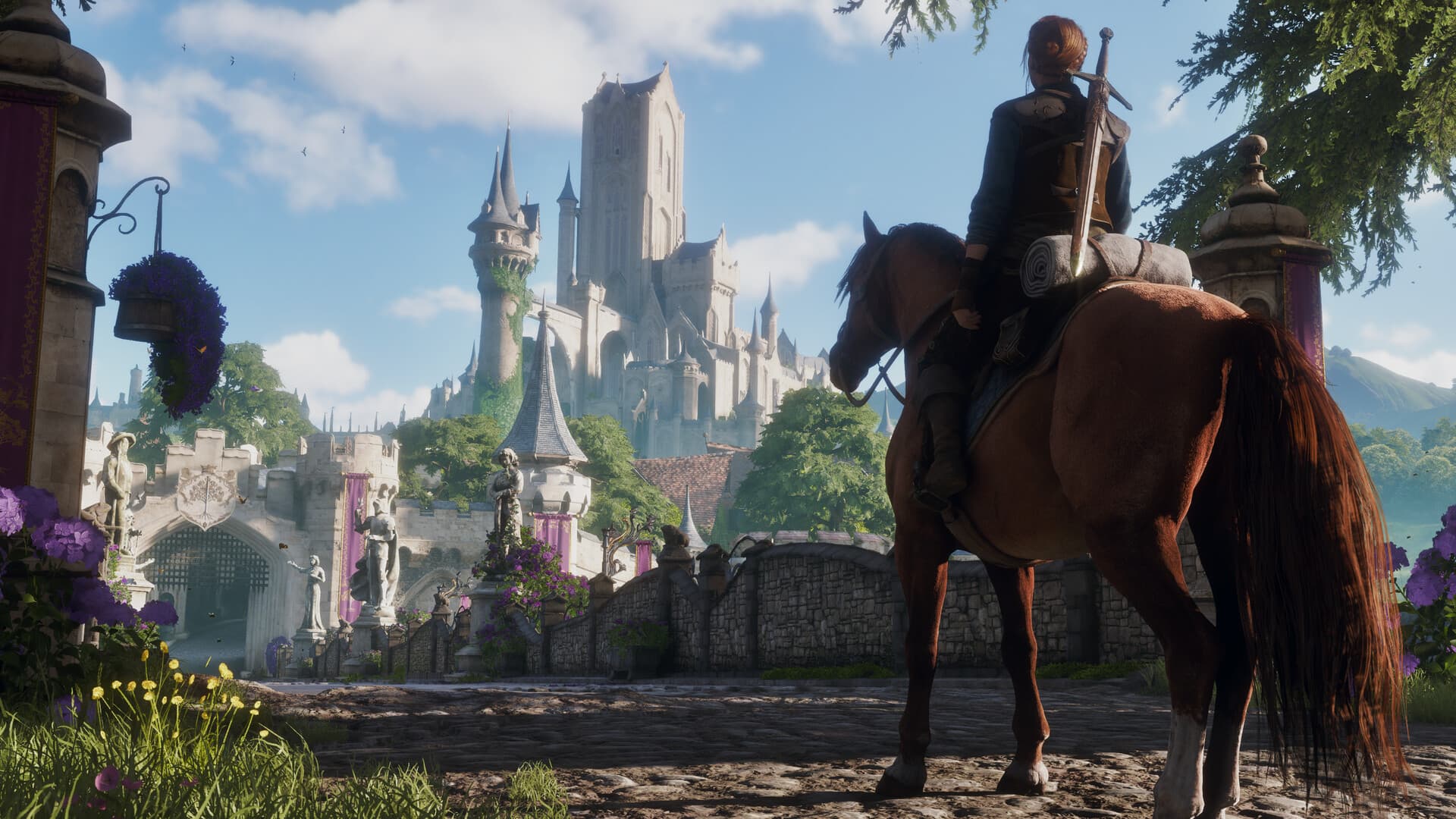

In many video games, reputation is a superficial metric. You can save a village or burn it to the ground, and the shopkeepers will still sell you health potions at the same price as anyone else. However, games that feature deep reputation systems create a high-stakes narrative and mechanical economy that changes everything. In these worlds, your status determines how factions treat you, what quests are available, how companions react to your presence, and how you can navigate the environment. Reputation is not just a score; it is a resource that must be managed, defended, or sometimes deliberately destroyed to make progress. From the political factions of Fallout to the social conformism of dystopian futures, these games make your public standing a core gameplay mechanic.
Here are the 7 best games where your reputation actually matters.
Public Reputation and Identity
7. Fallout: New Vegas
Developer: Obsidian Entertainment
Platforms: PC, PlayStation, Xbox
Reputation Mechanics: Faction Karma and Favor
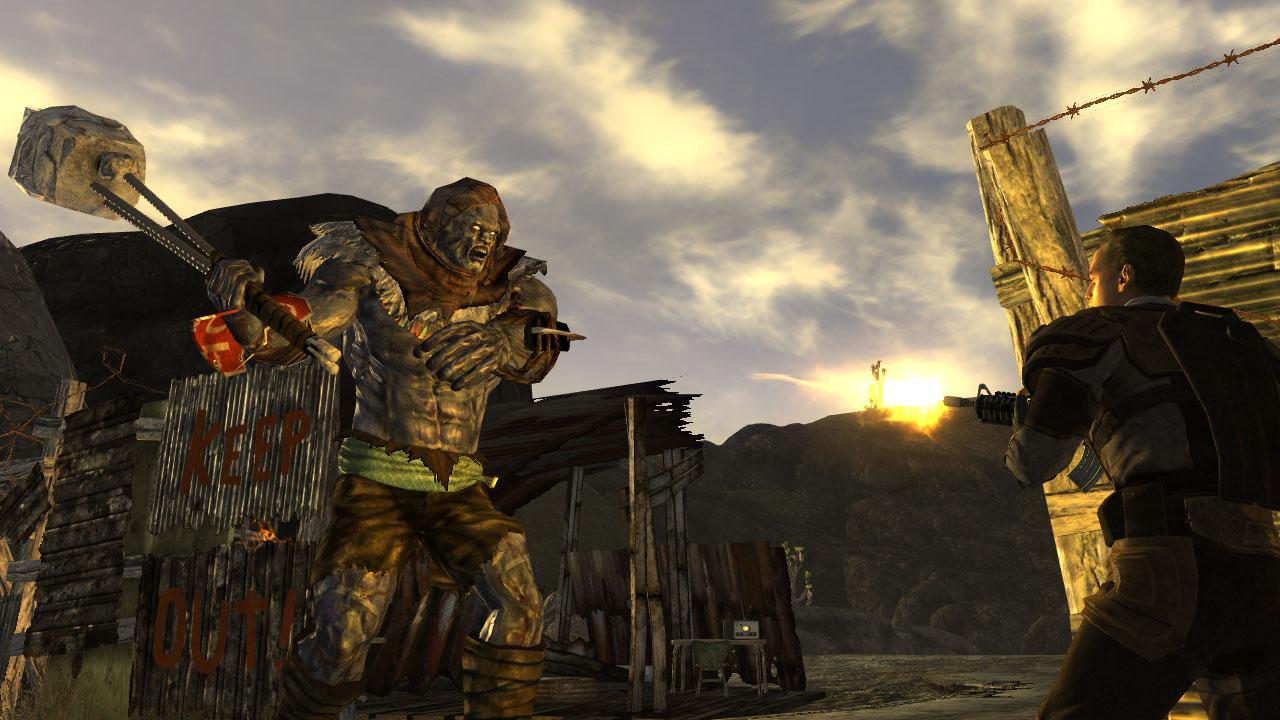
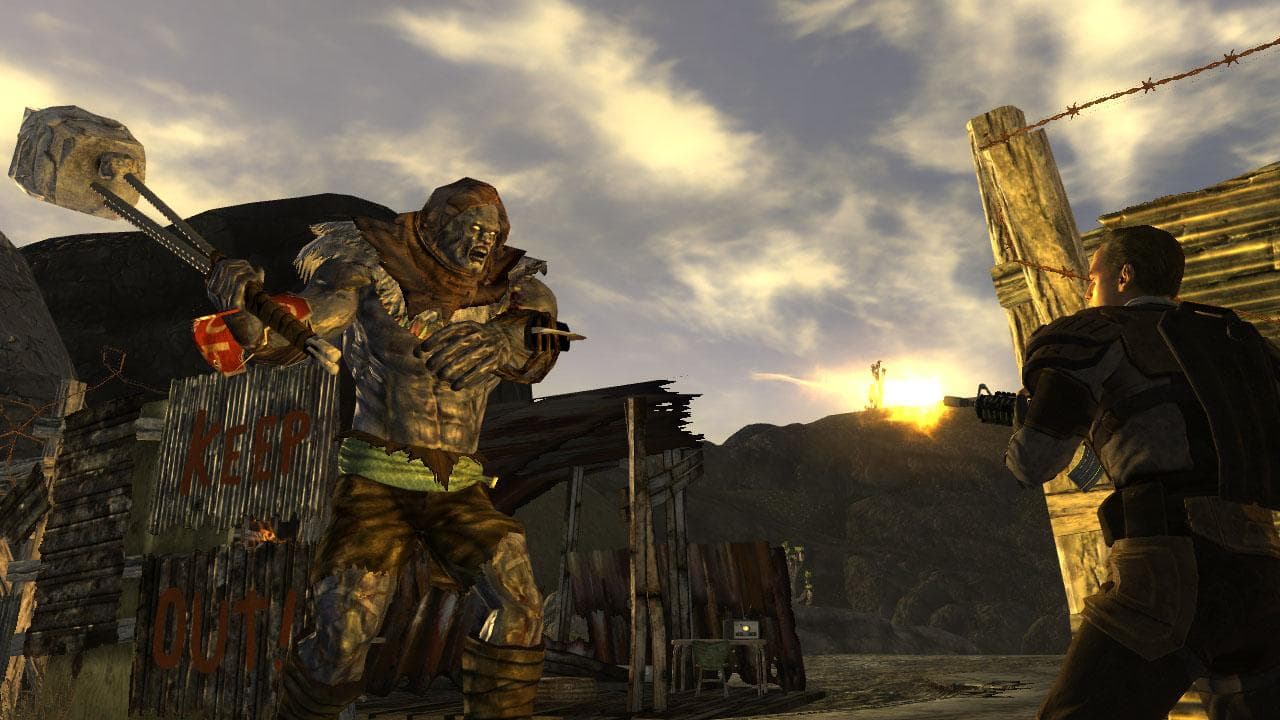
New Vegas features one of the most complex faction reputation systems in gaming. Instead of a simple good-vs-evil meter, the game tracks your status with dozens of factions independently, ranging from the New California Republic to the Legion. You can earn titles like a "Merciful Thug" or a "Smiling Troublemaker," reflecting a nuanced mix of good deeds and hostile actions. Faction standing determines whether guards will attack you on sight, what quests are offered, and which companions will travel with you, making every choice in the Mojave Wasteland feel highly consequential to your survival.
6. Fable
Developer: Lionhead Studios
Platforms: PC, Xbox
Reputation Mechanics: Moral Alignment and Physical Changes
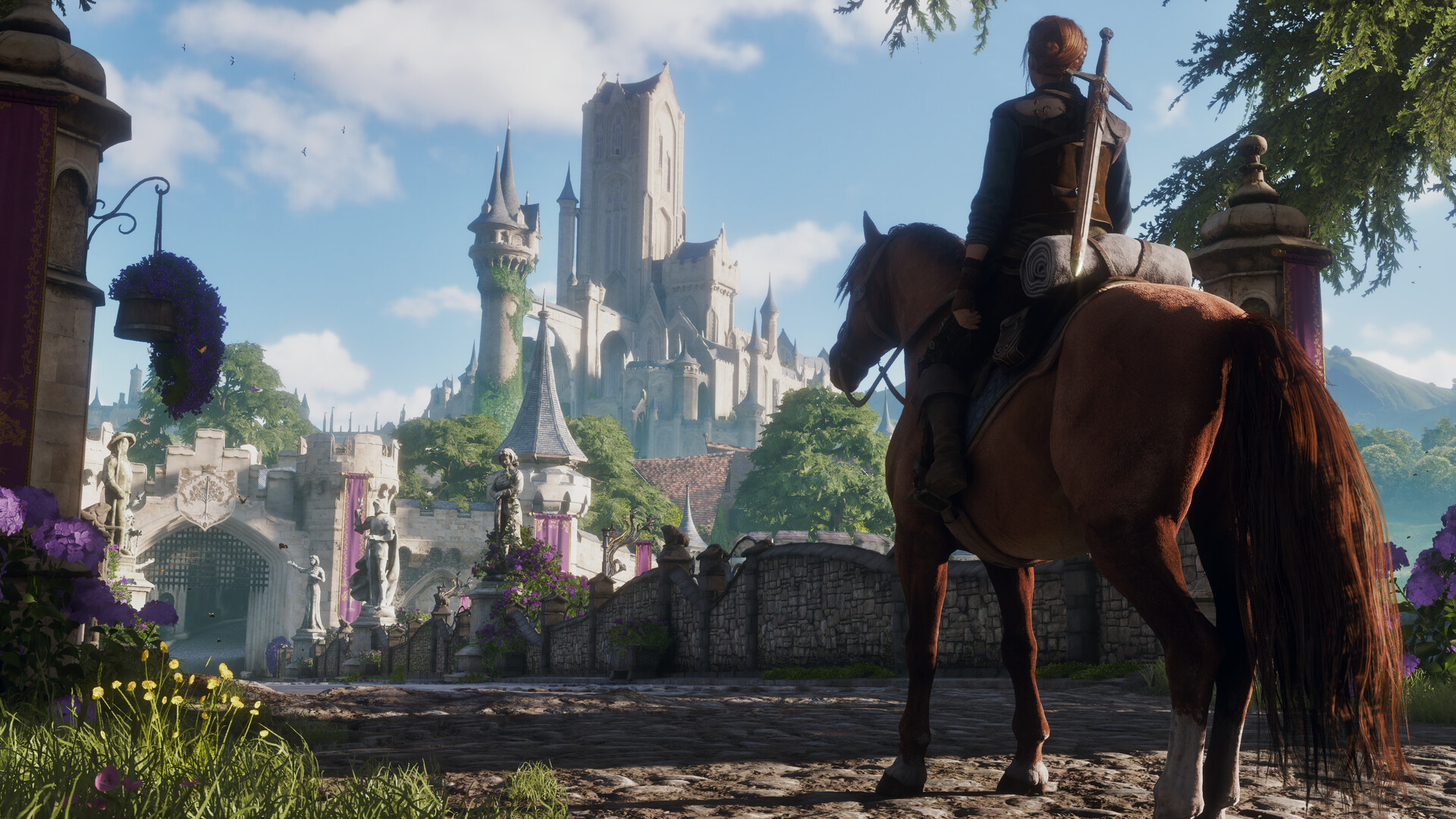
Fable's core hook is that your moral choices physically transform your character. Choosing good deeds makes your skin clear, your hair blond, and halos appear, while evil deeds grow horns, red eyes, and attract flies. The townspeople react to your physical appearance and reputation in real-time; they will cheer and applaud a good hero, or run in terror from an evil tyrant, affecting trade prices and town interactions. It is a highly visual, classic take on reputation that makes morality a core part of your public identity.
5. Red Dead Redemption 2

Developer: Rockstar Games
Platforms: PC, PlayStation, Xbox
Reputation Mechanics: Honor System and Social Reactivity
Arthur Morgan's Honor system in Red Dead Redemption 2 dictates how the world views him. High honor unlocks store discounts, unique outfits, and gentler dialogue from camp members, while low honor leads to hostile interactions, more aggressive lawmen, and a darker musical score. The game's ending is also determined by Arthur's honor, showing how a lifetime of choices catches up to an outlaw in the dying days of the Wild West, creating a poignant narrative framing.
4. Dishonored
Developer: Arkane Studios
Platforms: PC, PlayStation, Xbox
Reputation Mechanics: Chaos Level and World Adaptation
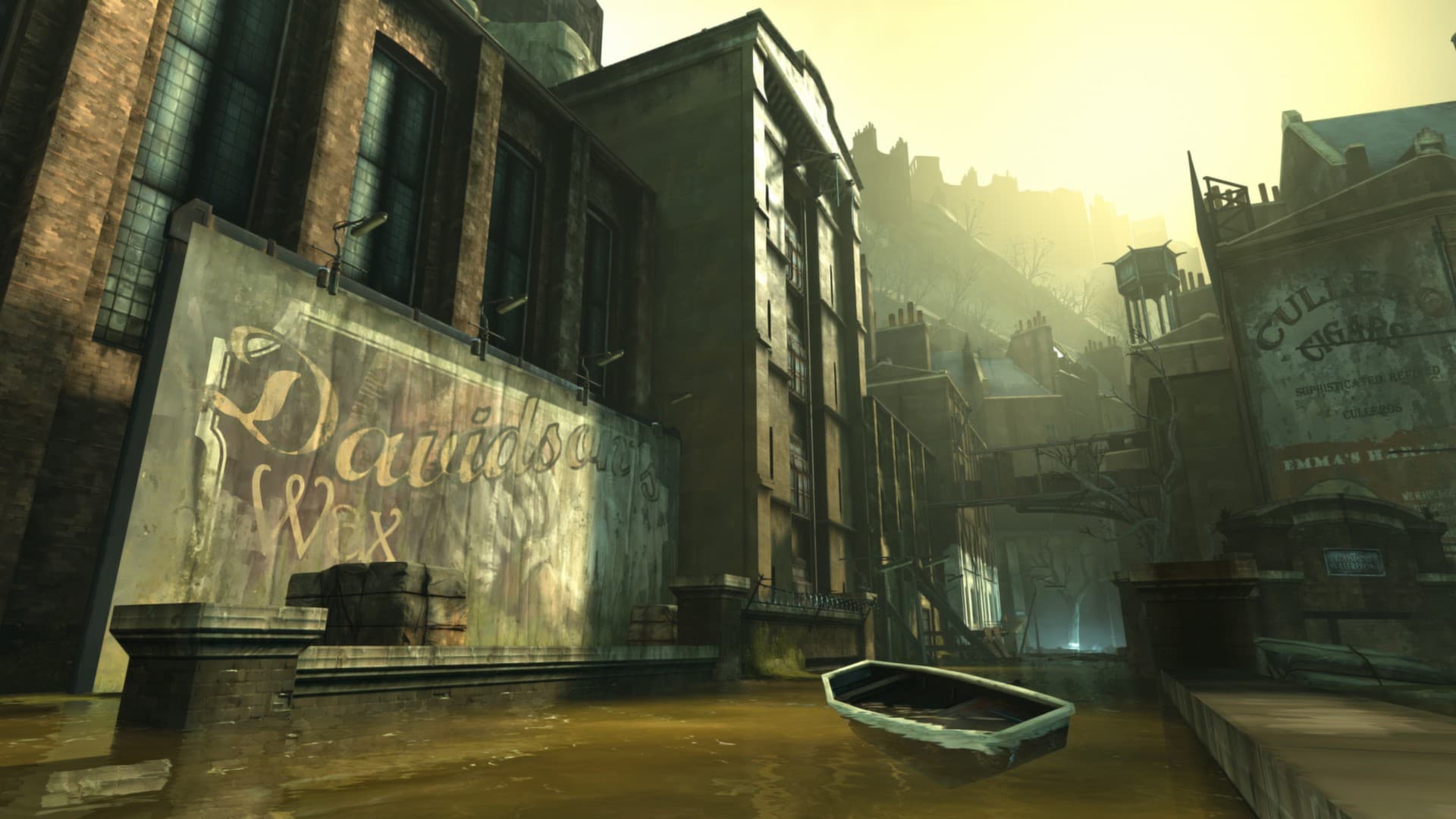
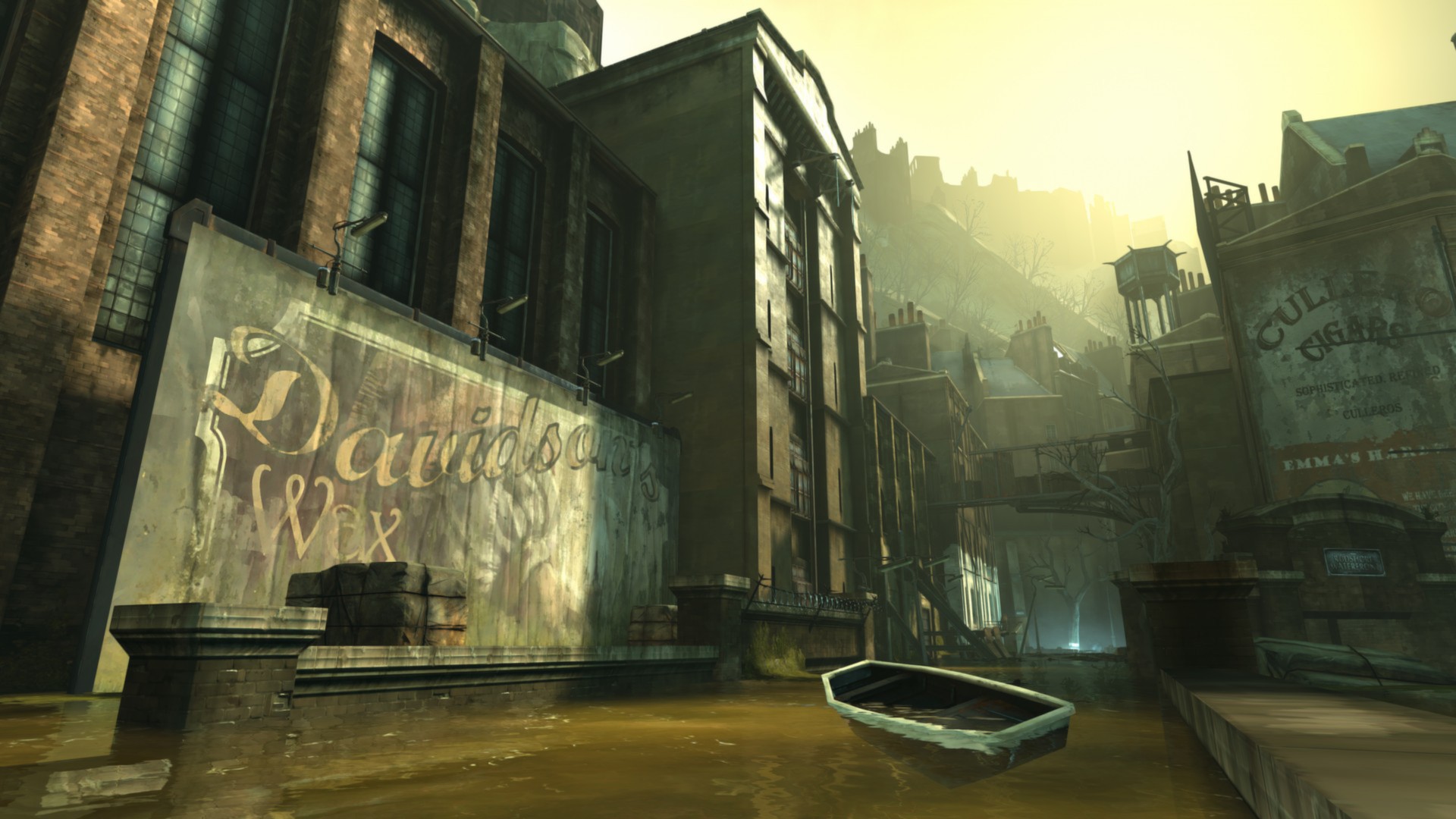
Dishonored tracks your reputation through the Chaos system, which measures how much violence you inflict on the city of Dunwall. High Chaos — caused by killing enemies and civilians — makes the city darker, increases the plague rat population, and causes allies to treat you with distrust. Low Chaos keeps the world manageable and leads to a more hopeful ending. The system makes your violent choices a physical part of the game's atmosphere, reflecting your reputation as a merciless killer or a quiet savior.
3. Tyranny
Developer: Obsidian Entertainment
Platforms: PC
Reputation Mechanics: Conquest and Faction Wrath
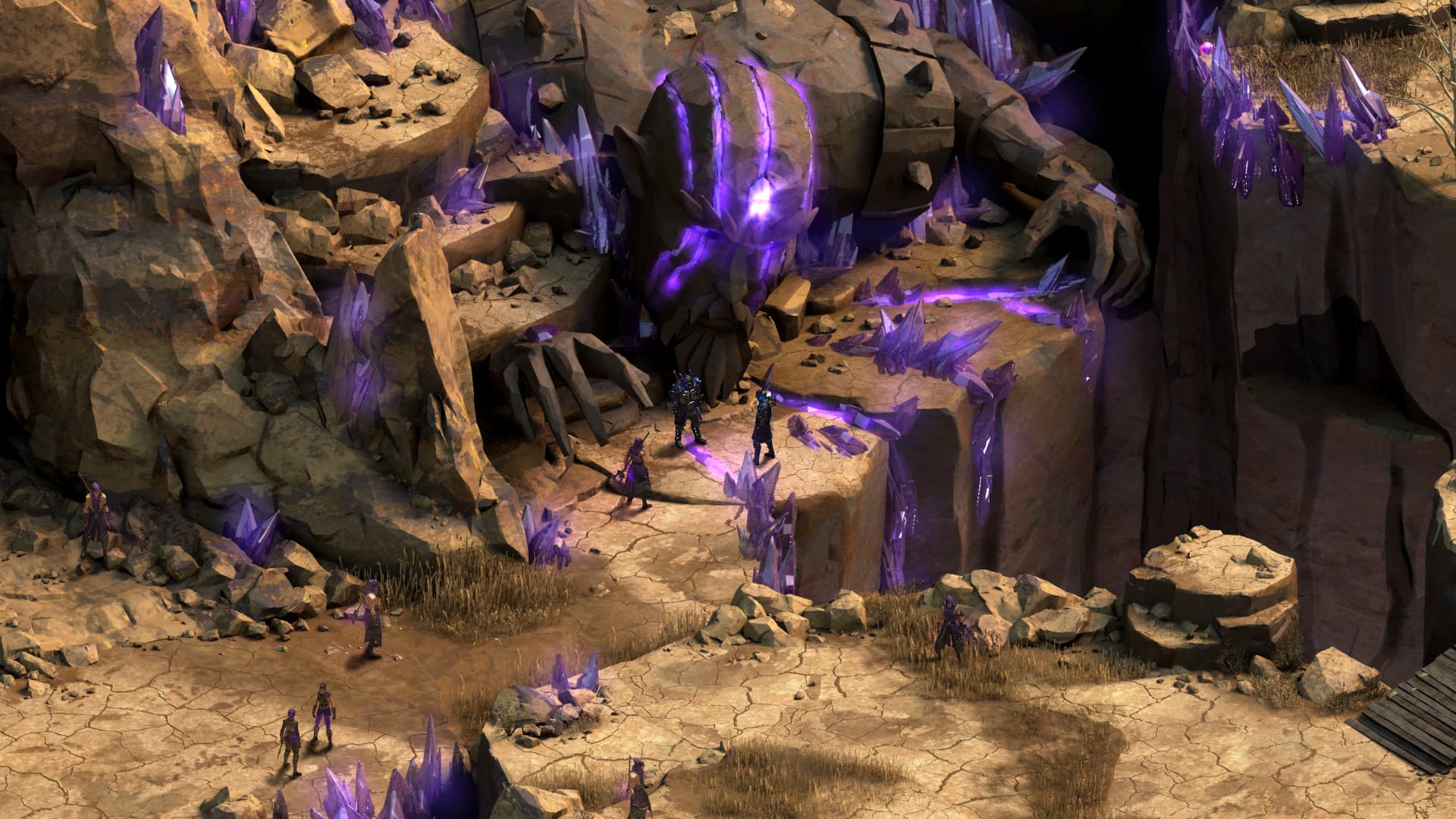
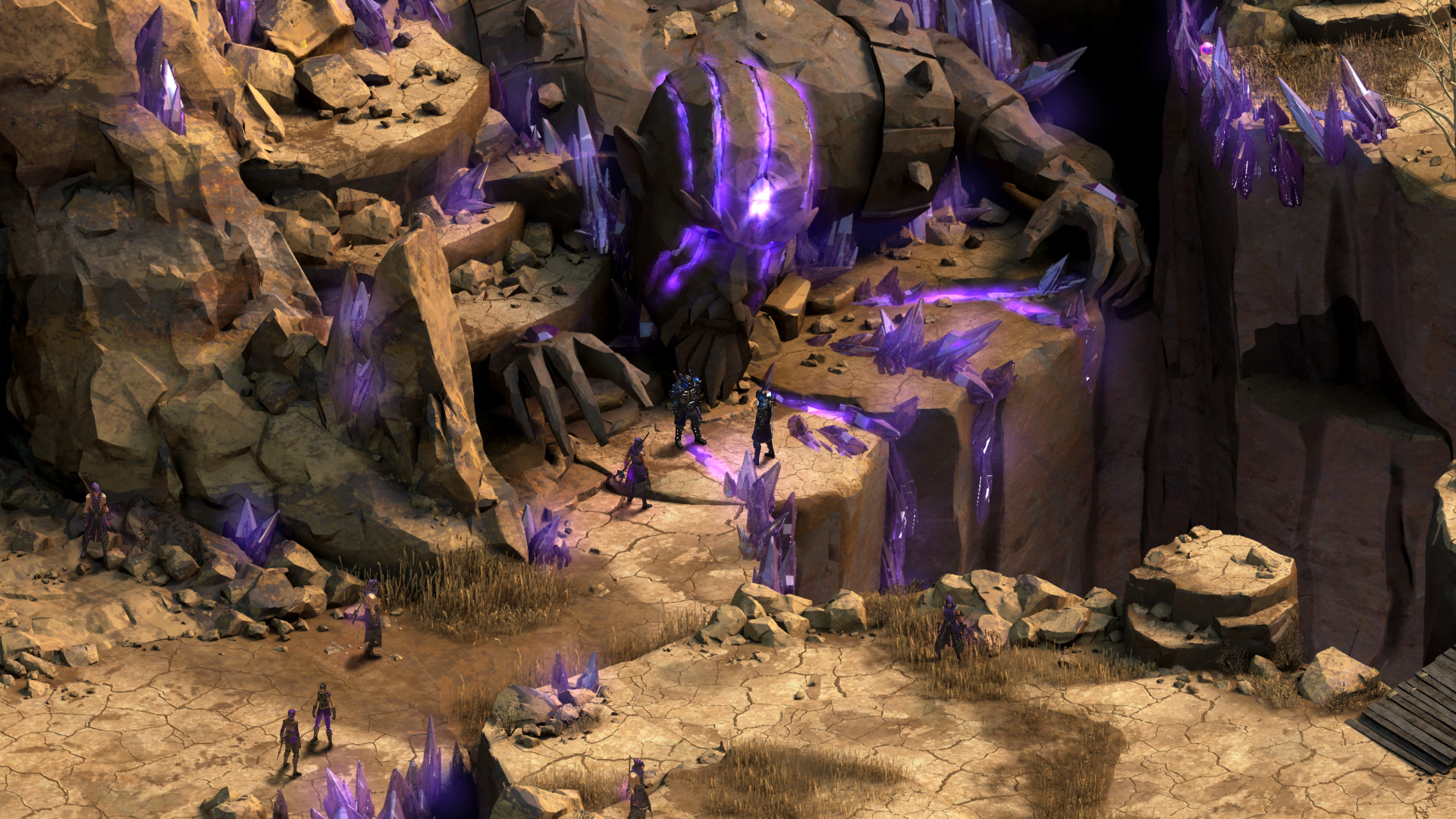
Tyranny puts you in the shoes of a Fatebinder, an adjudicator of law in a world conquered by an evil overlord. The game tracks both Favor and Wrath with each faction. Interestingly, having high Wrath with a faction does not block content; it simply unlocks different, often more aggressive, narrative paths and unique combat abilities. The game forces you to make decisions during a pre-game Conquest phase that permanently shapes how the world views you before the story even begins, ensuring your reputation precedes you.
2. Mass Effect
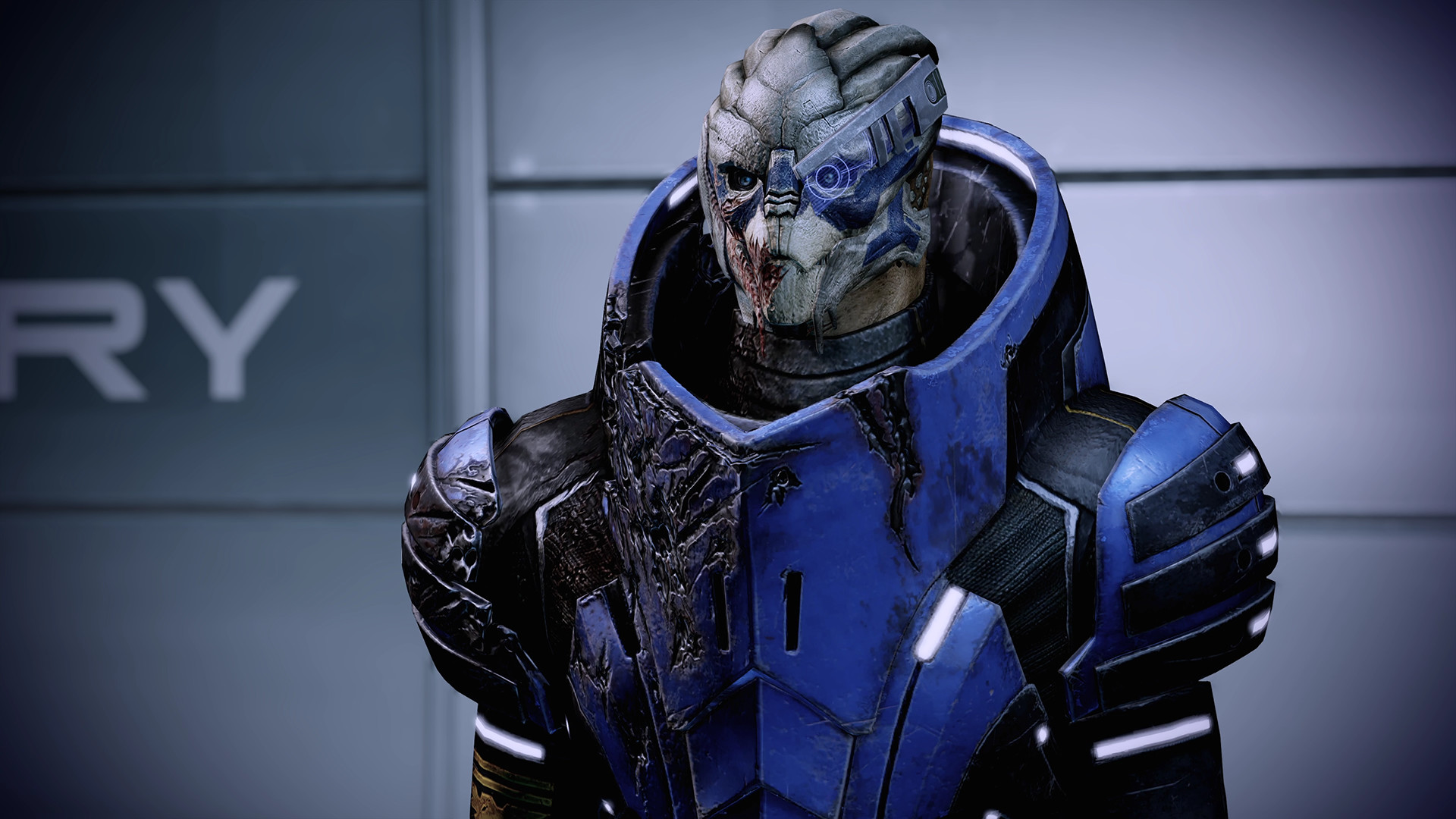
Developer: BioWare
Platforms: PC, PlayStation, Xbox
Reputation Mechanics: Paragon and Renegade Systems
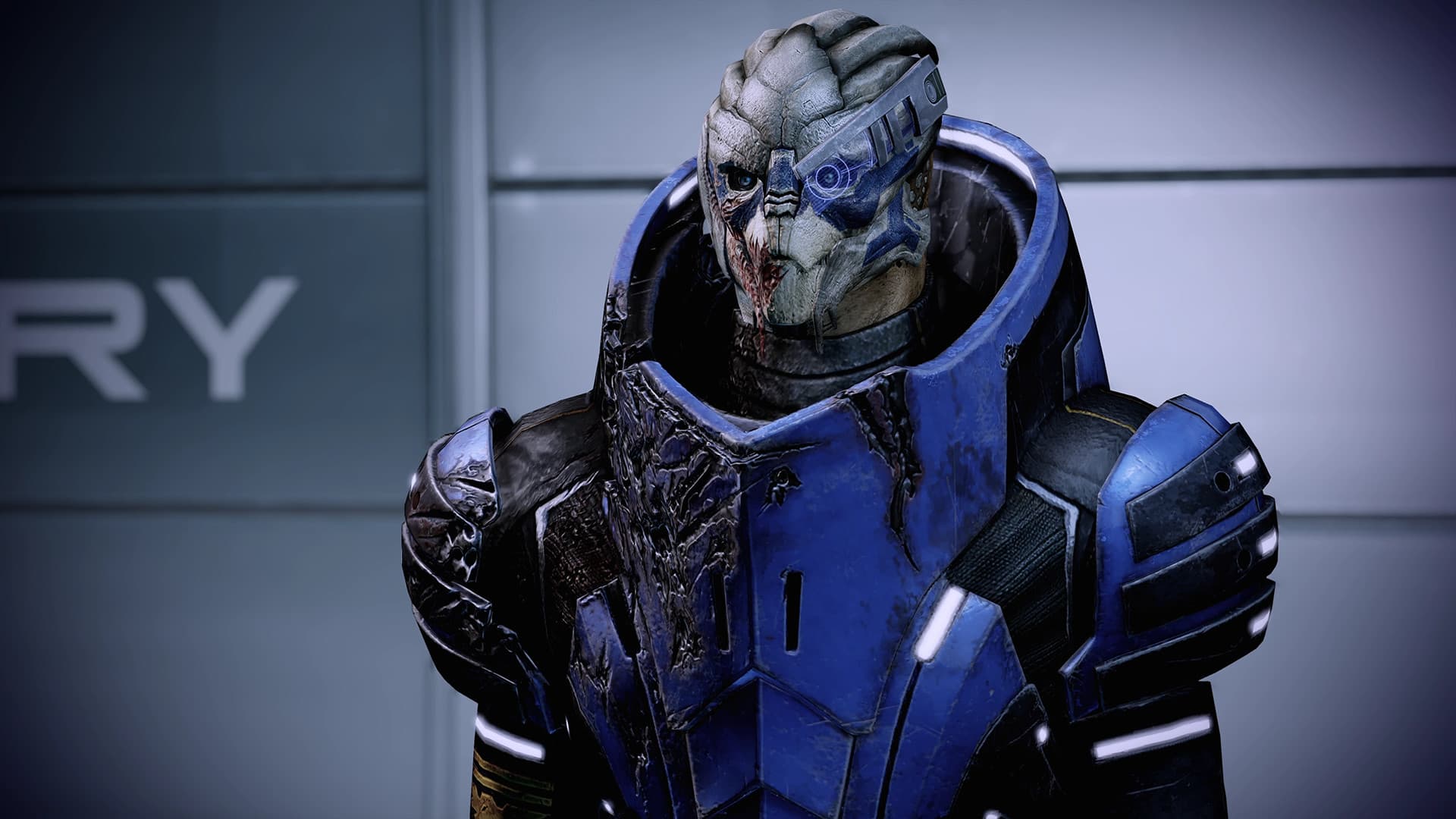
Mass Effect uses a dual-axis reputation system: Paragon (diplomatic, selfless) and Renegade (pragmatic, ruthless). Unlike games where you try to stay in the middle, Mass Effect rewards committing to one path. High Paragon or Renegade scores unlock unique dialogue options that can resolve conflicts peacefully, save companion lives, or intimidate enemies into surrendering, making your choice of moral philosophy a key tool in your intergalactic diplomacy.
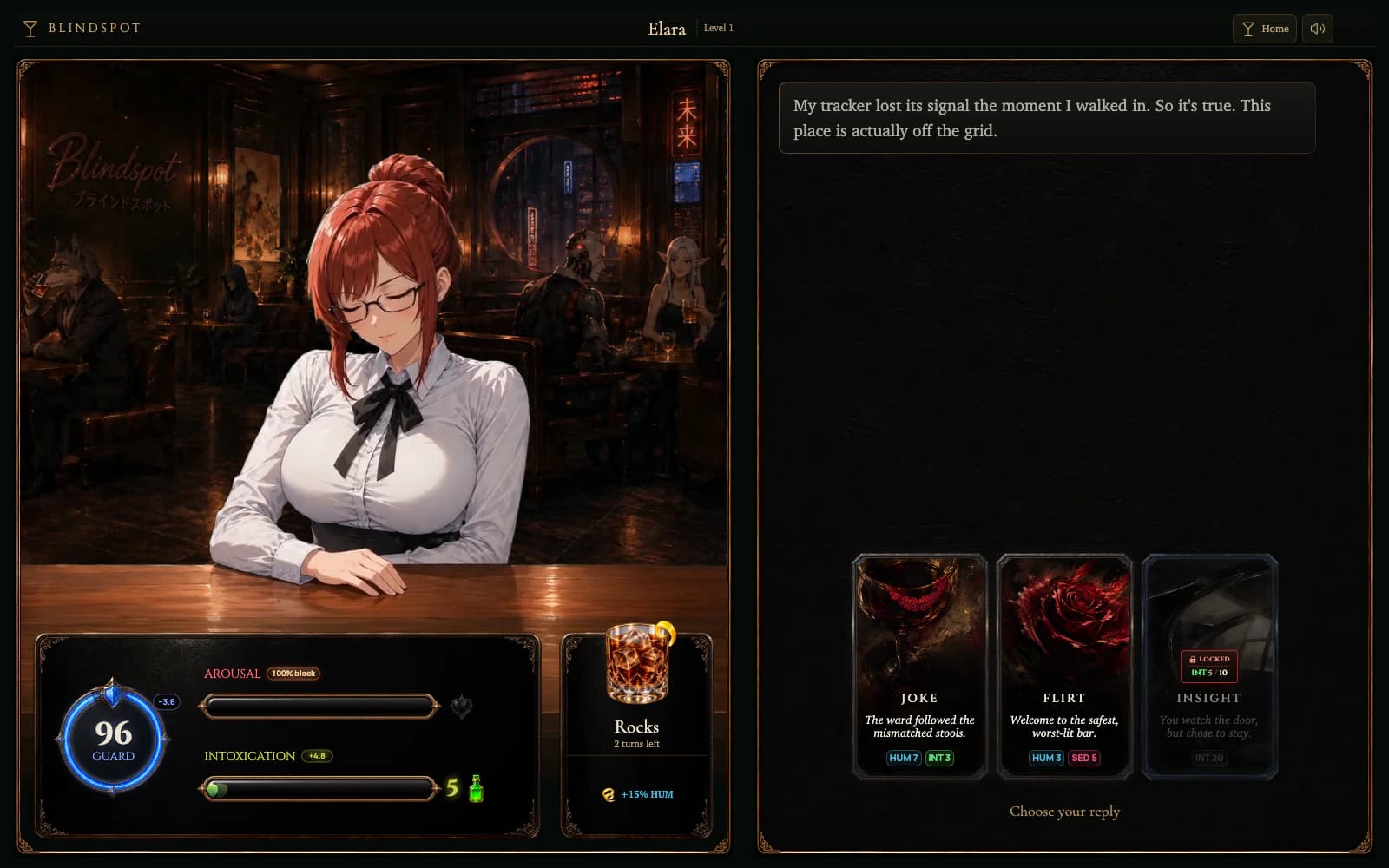
Risouverse: Blindspot — Psychological Bartending in the Pristine Cage
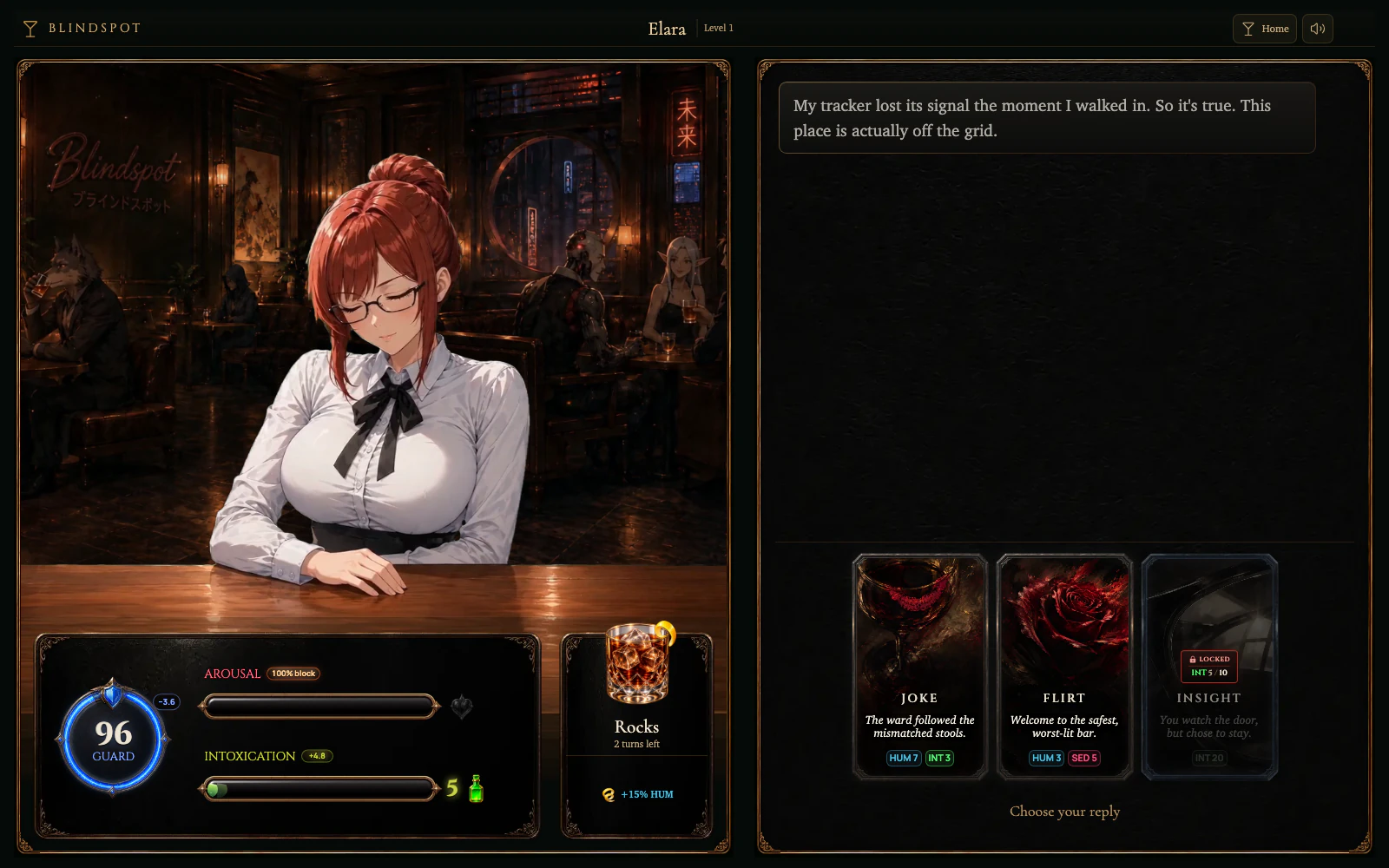
From the creators of Risouverse: step into Blindspot, our playable narrative bartending experience set within the city's golden-hour dystopia.
Behind the shielded counter of an underground Blindspot bar, corporate wellness trackers can't follow. As the bartender, your craft cocktails and dialogue cards (Insight, Joke, Flirt) are your weapons against the city's emotional numbness. Watch your guest's reactions closely: balance their Guard, Arousal, and Intoxication to peel back the corporate facade and uncover what they truly desire.
Intimacy in Risouverse is an act of defiance. Rather than treating romance as a simple checklist, Blindspot challenges you to navigate high-stakes psychological vulnerability, where peeling back a patron's composure costs real trust and exposes the raw humanity the city tried to erase.
Available to play directly in your browser. Features full audio, expressive dialogue animation, and character voice work.
Play Blindspot now · Read the bartending guide
Step into Risouverse with Blindspot: a romantic narrative bartending visual novel of dialogue choices, cocktail mixing, and psychological intimacy. Play Blindspot now.
Sources & further reading
Your shift is waiting.
Blindspot puts you behind the bar in the Risouverse. Talk to your guest, mix drinks, and watch how the conversation changes.
Play BlindspotRomantic Visual Novel · Browser demo · Sign-in required