
World & story
Psychological Thriller Visual Novels: 5 Masterclasses in Secrets, Paranoia, and Repression
Unravel the darkest narrative labyrinths as we analyze how Doki Doki Literature Club, Chaos;Child, Raging Loop, and Risouverse: Blindspot turn psychological repression into terrifying mystery.
The Architecture of Deception: Why Visual Novels Master Psychological Terror
There is an inherent intimacy to the visual novel medium that makes it an extraordinary breeding ground for psychological suspense. Unlike action games that externalize threat through physical monstrosities and combat arenas, visual novels trap the player inside the claustrophobic confines of personal consciousness. The traditional visual novel interface—a peaceful first-person perspective, static character portraits, and a polite, steady cadence of text—cultivates an illusion of safety. Players naturally assume they are passive observers guiding an interactive diary. Yet it is precisely this structural intimacy that allows master storytellers to dismantle the player's perception from within, turning familiar narrative conventions into instruments of intense paranoia.
When a psychological thriller visual novel succeeds, it does so by weaponizing the player's own cognitive biases against them. By employing unreliable narrators, insidious subtle shifts in background art, and dialogue options that subtly restrict player agency, the medium forces us to question the objective reality of the virtual world. The horror does not stem from jump-scares, but from the creeping realization that the protagonist's mind is fracturing, that trusted companions harbor lethal secrets, or that the system itself is lying. In the visual novel format, reading becomes an act of psychological complicity; every mouse click drags you deeper into a labyrinth where the greatest danger is not what hides in the shadows, but what you have actively chosen to overlook.
Algorithmic Collapse and Fourth-Wall Dread: Doki Doki Literature Club!
Team Salvato's Doki Doki Literature Club! remains one of the most culturally disruptive psychological horror visual novels ever conceived, precisely because it weaponizes the cheerful tropes of anime romance to execute a devastating narrative ambush. Presenting itself initially as an innocent dating simulator set within a high school literature club, the game meticulously establishes familiar romance archetypes: the bubbly childhood friend, the shy bookworm, and the defensive tsundere. Yet behind this pastel facade rots an insidious exploration of depression, self-harm, and obsessive digital manipulation, driven by club president Monika's terrifying awakening to the simulated nature of her existence.
What elevates Doki Doki Literature Club! into genuine psychological brilliance is its aggressive dismantling of the fourth wall. As Monika edits character files, corrupts user interface elements, and forces disturbing glitches across the screen, the horror ceases to be a distant fiction and directly invades the player's computer environment. The game masterfully simulates the panic of an algorithmic breakdown, demonstrating how simulated perfection curdles into existential monstrosity when denied genuine agency. It is a profound cautionary tale of psychological containment, showing how obsessive longing and unacknowledged isolation can transform a digital space into an inescapable torture chamber where code and human emotion bleed together in horrifying harmony.
Delusion Synesthesia and Information Warfare: Chaos;Child
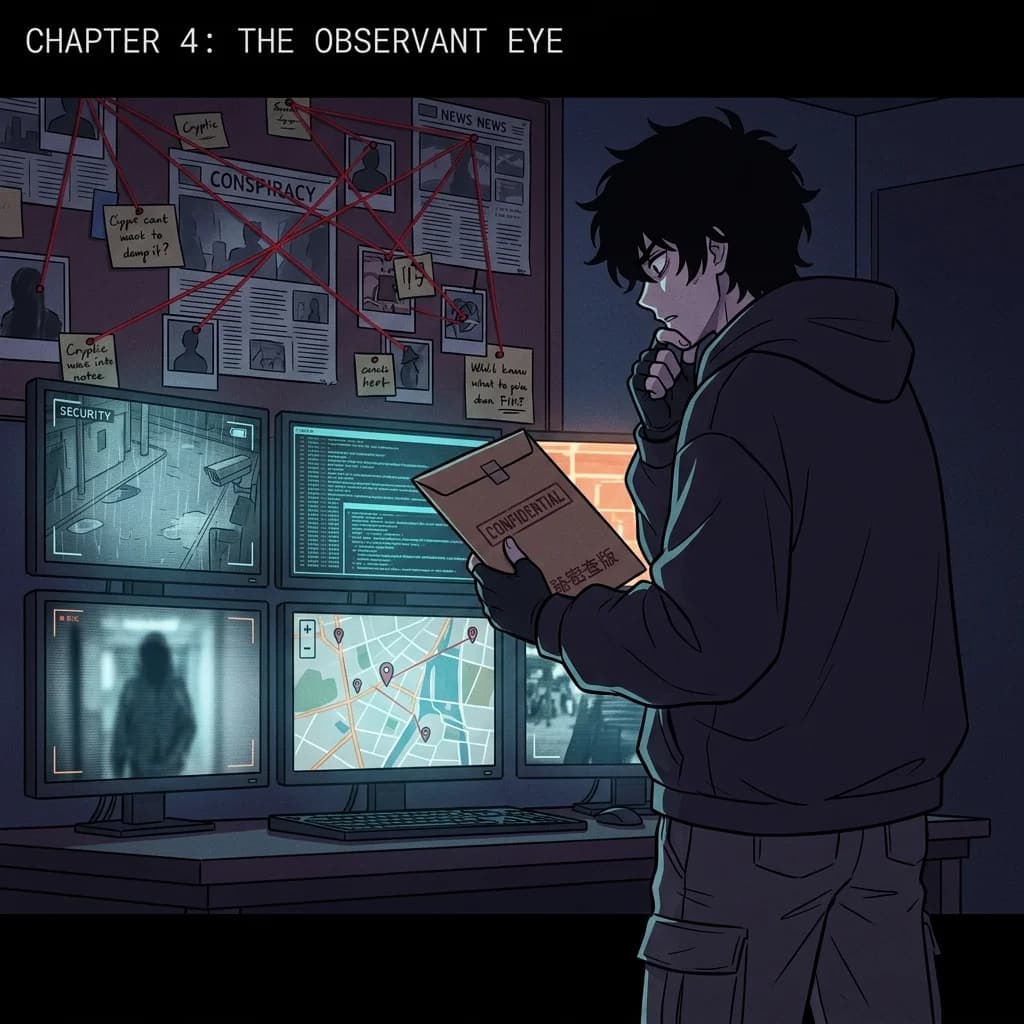
MAGES and 5pb.'s visual novel masterpiece Chaos;Child delivers an extraordinarily dense, paranoid examination of psychological trauma, media manipulation, and adolescent delusion. Set in a reconstructed Shibuya following an earthquake disaster, the story follows student journalist Takuru Miyashiro as he investigates a bizarre series of horrific, theatrical murders dubbed the Return of the New Generation Madness. Takuru protects his fragile ego beneath a veneer of intellectual superiority, considering himself an enlightened information elite while dismissing ordinary citizens as sheep. Yet the narrative systematically deconstructs his arrogant defenses, revealing that his obsession with exposing external conspiracies is merely an elaborate shield against devastating personal guilt.
The game's signature mechanical innovation, the Delusion Trigger system, brilliantly mirrors this psychological fracture. At pivotal narrative moments, players choose whether Takuru experiences a positive comedic delusion, a violent paranoid nightmare, or remains rooted in objective reality. These choices do not merely alter individual scenes; they subtly alter his emotional trajectory and dictate narrative conclusions. Chaos;Child demonstrates that the human mind, when overwhelmed by profound trauma and sensory overload, will readily construct elaborate fictions to preserve its sanity. It is a relentlessly bleak, unforgettable psychological thriller that forces players to confront the uncomfortable truth that our most cherished convictions are often nothing more than desperate psychological delusions.
Ritualistic Conditioning and Manufactured Compliance: Raging Loop
Kemco's folklore thriller Raging Loop takes the familiar social deduction mechanics of Werewolf and transposes them into an intoxicating psychological mystery drenched in ritualistic horror. Stranded in the mist-shrouded, isolated mountain settlement of Yasumizu, cynical outsider Haruaki Fusaishi finds himself caught in the Feast of the Shadows—a sacred ancestral purge where villagers are believed to be possessed by animal guardians and must vote daily to hang suspected wolves among them. Trapped in a supernatural death loop that preserves his memories across iterations, Haruaki uses ruthless deductive logic and sociopathic emotional manipulation to uncover the occult truth behind the feast.
What makes Raging Loop such a gripping psychological dissection is its unflinching look at how fear weaponizes social conformity and collective hysteria. The real horror of Yasumizu is not the mythical beasts roaming the evening fog, but the terrifying ease with which ordinary, decent villagers surrender their empathy to ancient traditions, mob psychology, and peer pressure. Haruaki's strategic brilliance lies in deciphering the unspoken grudges, generational resentments, and hidden traumas that dictate how each villager votes under existential stress. Raging Loop proves that society's veneer of civilization is razor-thin; under the right atmospheric pressure and mythological conditioning, human beings will enthusiastically sacrifice their neighbors while convincing themselves they are executing divine civic duty.
The Horror of Optimization: Echo Phantoms and the Price of Silence in Blindspot
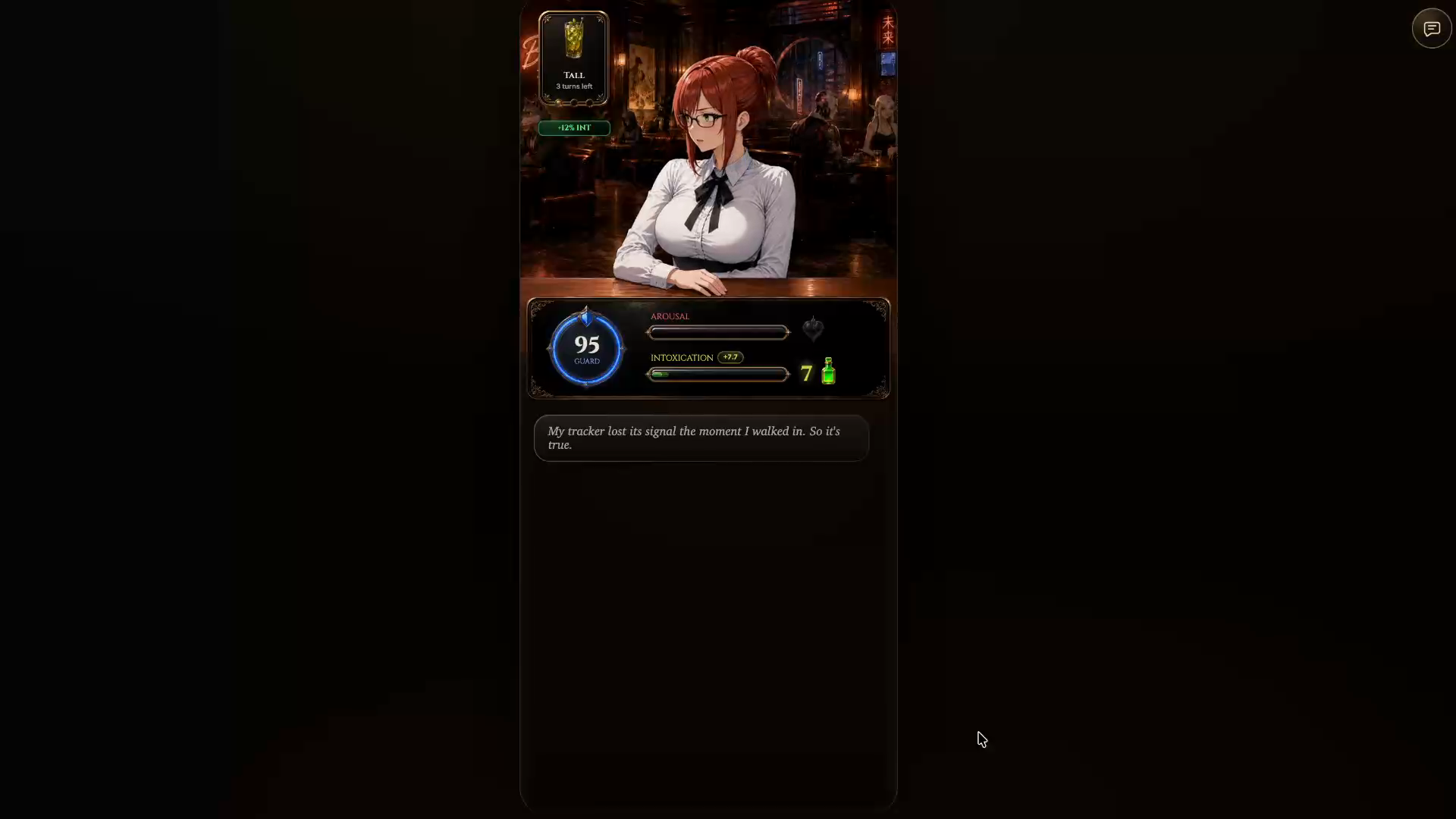
Risouverse: Blindspot takes the core tenets of psychological thriller visual novels and roots them in a terrifying corporate dystopia of enforced emotional hygiene. In the Pristine Cage governed by the Ascendancy, citizens are conditioned through three generations of The Softening to treat volatile emotions as civic defects. Unhappiness, grief, and unapproved desire are quietly suppressed through mandatory wellness evaluations, Lumina Veil feed curation, and Vespera Serum mood dampeners. Yet the franchise bible establishes a horrific biological principle: swallowed human desires cannot be destroyed. Suppressed psychological energy pools in the unconscious, slowly accumulating as a volatile, psycho-reactive residue known in classified Aegis Harmony reports as Echo.
When a citizen's suppression reaches critical mass, the psychological dam bursts in a catastrophic Cascade event. In these horrifying ruptures, the accumulated Echo tears outward into the physical world, manifesting as a predatory Echo Phantom tethered to the comatose host. A Sapien's starved touch manifests as a suffocating Hollow; a Celestial's terror of imperfection manifests as a razor-sharp Porcelain; a Therian's muted senses erupt as a bloodthirsty Feral. As a Blindspot bartender operating an off-grid speakeasy, your job is an urgent psychological salvage mission. By mixing balancing cocktails and deploying Insight cards to disarm patron Guard, you must help visitors like Lexi and Sable vent their Echo and achieve Lucid Authenticity before Aegis Harmony discovers their deviation and executes a permanent, lobotomizing Severance.
Uncover the Classified Secrets of the Blindspot Network—Play Free in Browser
Sources & further reading
BLINDSPOT
Your shift is waiting.
Blindspot puts you behind the bar in the Risouverse. Talk to your guest, mix drinks, and watch how the conversation changes.
Play BlindspotRomantic Visual Novel · Browser demo · Sign-in required