
Games
The Death of the Dating Checklist: Why Vulnerability Is Conquering Modern Narrative Romance
Discover why the era of gift-bribed affection meters is over, and how modern titles like Catherine, Haven, and Blindspot champion authentic human vulnerability over checklist tropes.
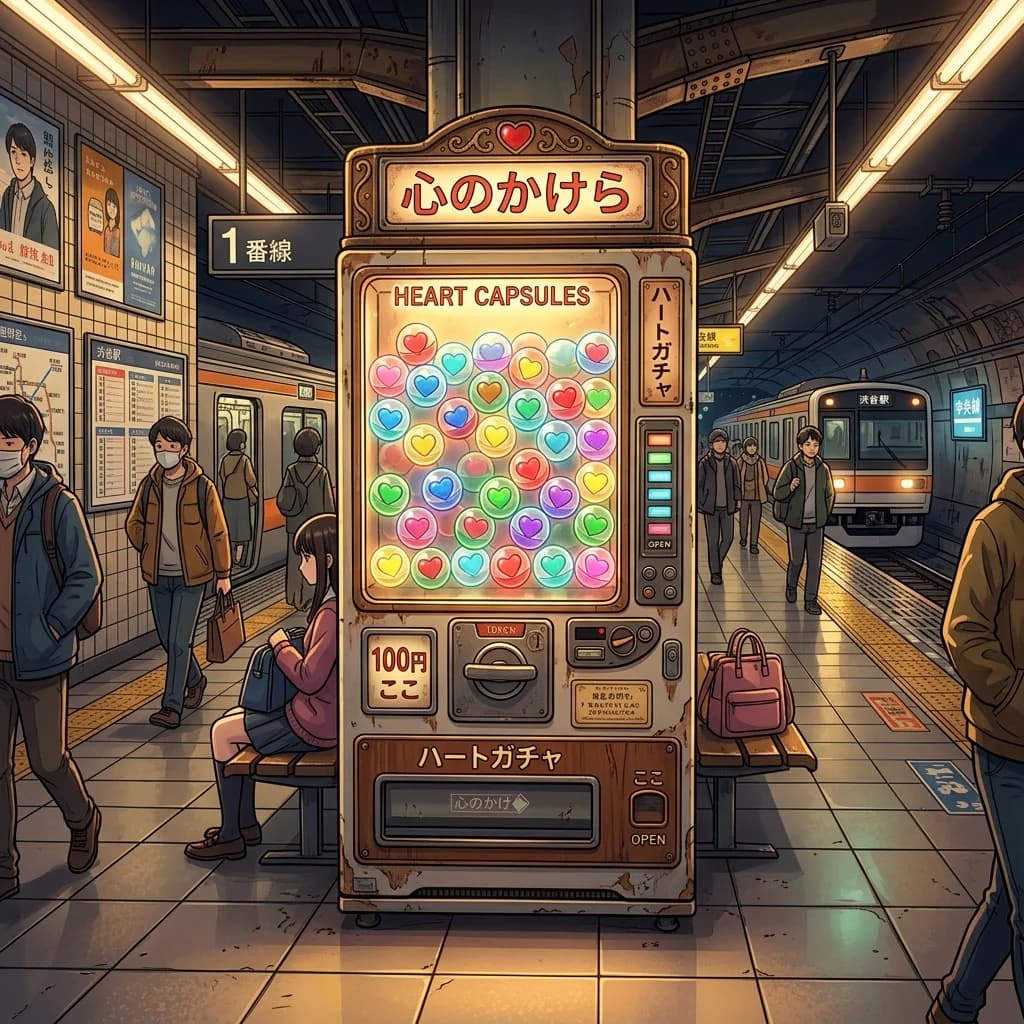
The Vending Machine Fallacy: Deconstructing Legacy Romance Mechanics
For decades, romance mechanics in video games followed a transparently transactional formula that critics have rightly dubbed the 'vending machine' model. Whether playing a sprawling fantasy RPG or a commercial visual novel, the path to intimacy was almost entirely mechanical: insert dialogue compliments, deposit preferred gifts, clear companion-specific side quests, and collect your romantic ending cutscene. In this paradigm, NPCs do not behave like living, breathing human beings with unpredictable emotions, conflicting values, or autonomous boundaries; they behave like locked puzzle boxes waiting for the correct inputs. If you give enough sweet rolls to a companion, they will inevitably fall in love with you regardless of whether your worldviews align. This checklist approach to romance is not only narratively simplistic; it is emotionally infantilizing. It reinforces the toxic misconception that affection is an entitlement earned through persistent optimization rather than a delicate, unpredictable bond built on mutual respect and shared vulnerability. Contemporary players who grew up on these formulaic tropes are increasingly demanding interactive stories that capture the authentic messiness of adult love—where affection cannot be purchased, communication is fraught with anxiety, and true connection requires taking genuine emotional risks.
Moral Ambiguity and Adult Insecurity: The Disruptive Power of Catherine: Full Body
Atlus's Catherine: Full Body delivered a devastating critique of checklist romance by forcing players to confront the murky, uncomfortable realities of adult commitment and sexual guilt. Protagonist Vincent Brooks is not an idealized dating sim protagonist smoothly balancing multiple romantic prospects; he is an indecisive, panicked man trapped between his long-term partner Katherine, who represents societal expectation and domestic adulthood, and Catherine, an intoxicating manifestation of escapist desire and zero responsibility. Later expanded with Rin, a figure of unconditional compassion, the game refuses to reward the player for simple optimization. Every decision in the confessional booth of the Stray Sheep bar probes player morality, challenging our rationalizations, our selfishness, and our hypocrisies regarding fidelity, aging, and personal freedom. Vincent's nocturnal nightmares of crumbling staircases externalize the terrifying weight of adult choices: there is no dialogue option that leaves everyone happy, and attempting to please everyone results in catastrophic collapse. Catherine demonstrated that narrative romance gains immense emotional power when it strips away comforting checklists and forces players to reckon with the moral consequences and existential anxieties inherent in adult relationships.
The Reality of Friction: How Modern Games Trade Flattery for True Partnership
As narrative design has evolved, the most celebrated modern relationship games have abandoned flattery in favor of depicting genuine conversational friction and emotional compromise. In titles like The Game Bakers' Haven and mountains' Florence, intimacy is not measured by an unbroken string of verbal affirmations. In Haven, Yu and Kay frequently argue over resource rationing, domestic chores, and the lingering homesickness of their planetary exile. What makes their relationship deeply compelling is not that they are harmonious at all times, but how they navigate their disagreements—through awkward humor, sincere apologies, and the humble recognition of each other's emotional limits. Similarly, Florence masterfully illustrates that the decline of intimacy is often quiet and mundane: the inability to share an apartment without petty annoyances festering into resentment, or the exhaustion of withholding difficult truths to avoid conflict. These games reflect an essential psychological reality that legacy dating sims consistently ignored: true intimacy is not the absence of friction, but the capacity to endure friction together. When video games allow characters to disagree, show bad temper, and harbor unglamorous fears, relationships transform from cartoonish wish-fulfillment into deeply moving human journeys.
The Pristine Cage as a Warning: Why Risouverse Treats Optimization as Dystopia
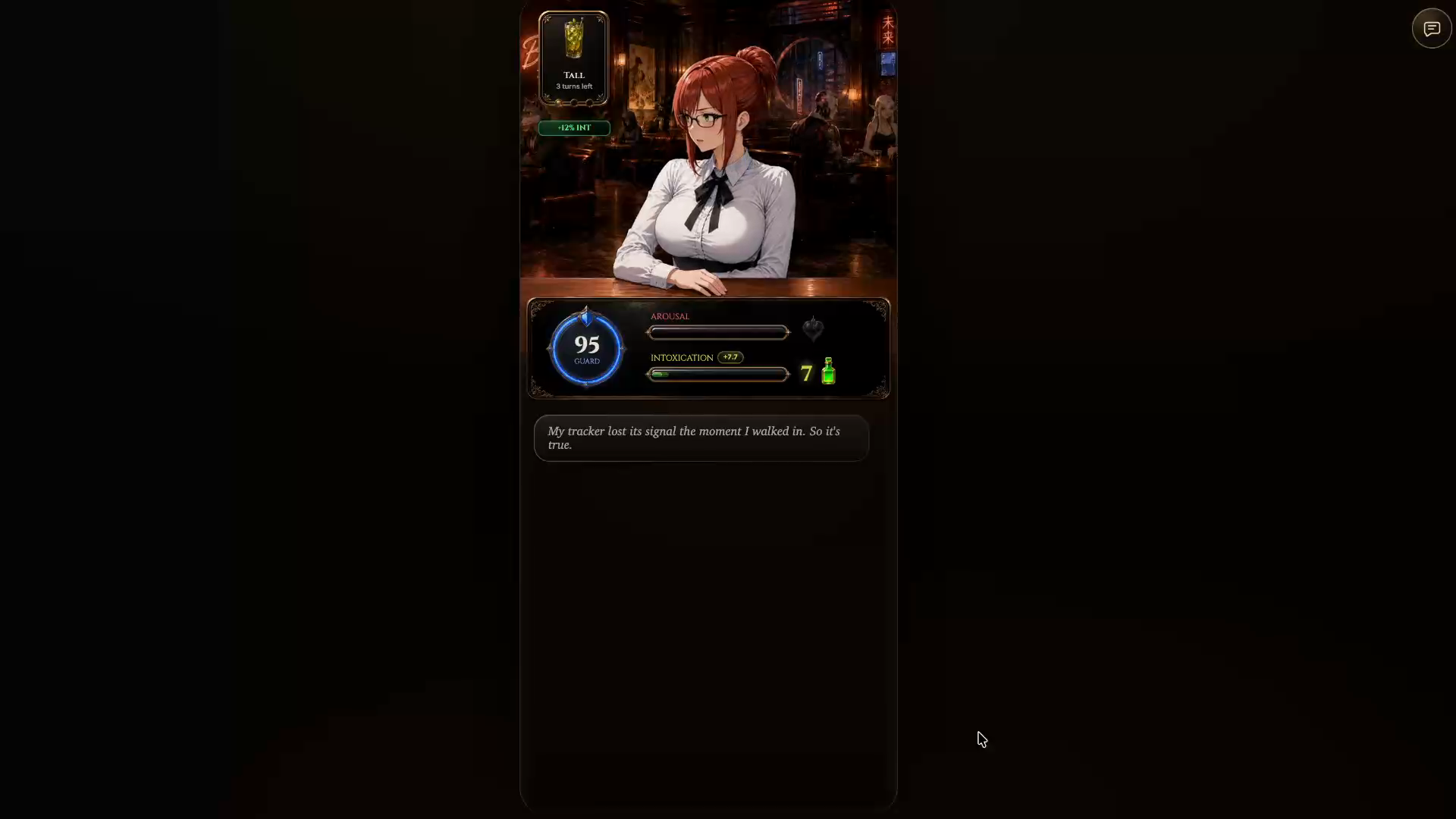
Risouverse: Blindspot takes the critique of checklist romance to its logical narrative extreme by turning the dating checklist into the central dystopian horror of its universe. In the world of the Pristine Cage, the Ascendancy megacorporations have solved relationship friction through total technological optimization. Lumina Veil's algorithms calculate social compatibility down to the decimal point; Vitalis Form guarantees aesthetic physical perfection; and Vespera Serum mood stabilizers ensure that nobody ever experiences jealousy, desperation, or unpredictable passion. Relationships in the city are literally managed through corporate checklists and Radiance scores. Yet beneath this flawless exterior, citizens are suffocating in sterile isolation. The core premise of Blindspot is that when you optimize away the mess, the awkwardness, and the pain of human connection, you eliminate love itself. The Blindspot Network exists as a clandestine counter-cultural rebellion against this sanitized horror. Patrons who step across your underground speakeasy bar are not seeking another scored interaction; they are desperately fleeing the checklist, risking social annihilation just to experience a conversation where their imperfections are seen, acknowledged, and accepted without judgment.
Conversational Physics in Blindspot: The High-Stakes Courage of Being Known
Blindspot translates this anti-checklist philosophy into innovative gameplay mechanics that punish sycophancy and reward emotional courage. Behind the bar counter, you cannot simply spam Flirt dialogue cards or flatter patrons into submission. If you attempt to flirt with an armed Aegis enforcer like Sable while her Guard is raised and her chemical dampeners are active, she will immediately shut down the conversation, repulsed by the insincerity of the gesture. Instead, breaking through corporate armor requires conversational physics: deploying an Insight card to validate her hidden exhaustion, using a Joke to lower defensive tension, or mixing a botanical cocktail to loosen her cognitive barriers. Trust in Blindspot is never guaranteed; it is earned in millimeters through active listening, empathetic timing, and the willingness to mirror the patron's vulnerability with your own. The ultimate narrative culmination is not a harem ending or a romantic trophy, but Lucid Authenticity: two human beings looking across a wooden bar counter in a signal-dead room, dropping their masks, and choosing to be truly known. In an interactive landscape flooded with sterile checklist romances, Blindspot stands as a bold testament to the enduring power of raw human vulnerability.
Leave the dating checklists behind and experience authentic vulnerability in Blindspot
Sources & further reading
BLINDSPOT
Your shift is waiting.
Blindspot puts you behind the bar in the Risouverse. Talk to your guest, mix drinks, and watch how the conversation changes.
Play BlindspotRomantic Visual Novel · Browser demo · Sign-in required