
Games
The Evolution of Dating Sims: From Pixels to AI-Driven Psychology
From visual novel pixel art to complex AI characters with suppressed desires, tracing the history and future of dating simulations.
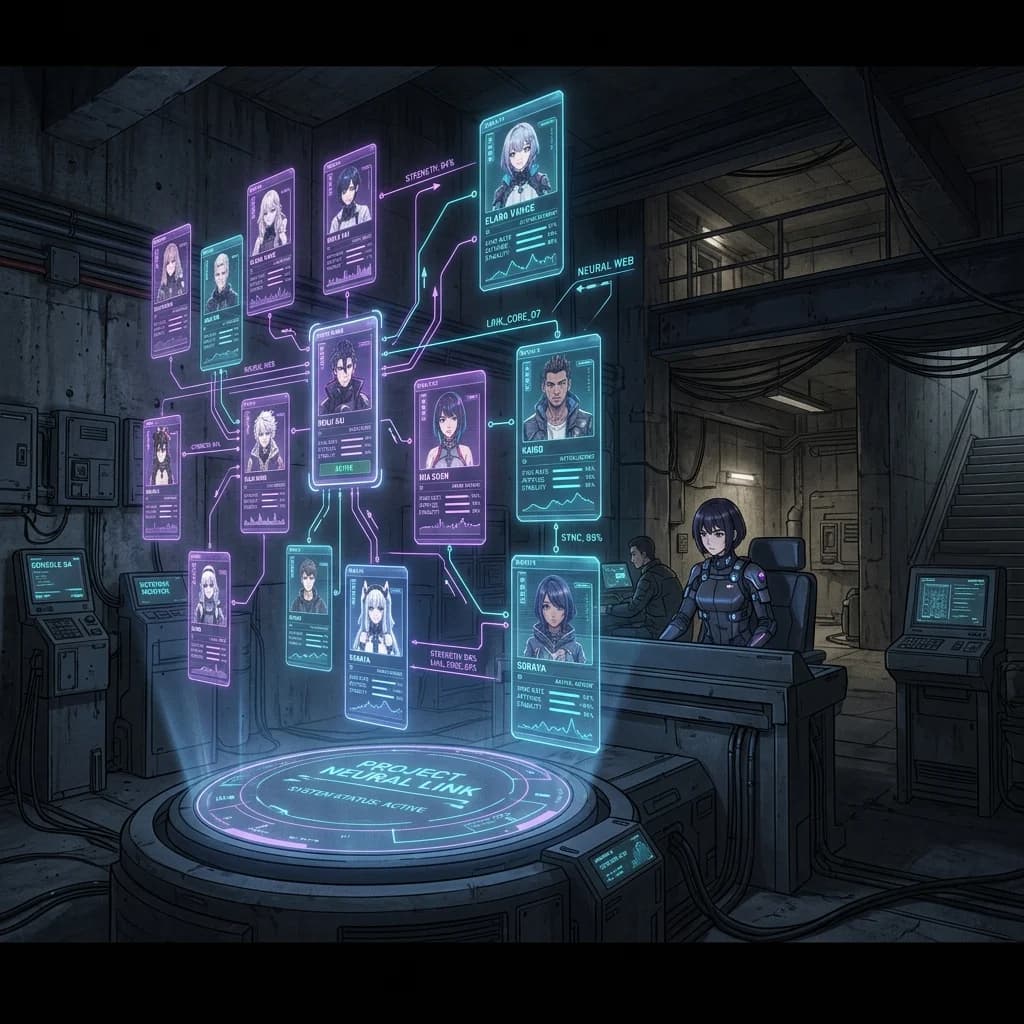
The dating simulator genre has come a long way from its humble origins in the 1980s and 90s. What started as simple text-and-sprite management games in Japan has evolved into a diverse global phenomenon. For decades, the genre was defined by static images, predetermined dialogue choices, and binary path progression. Players quickly learned how to game the system, memorizing which answers unlocked which CG illustration. But as technology has advanced, so too has our understanding of what a virtual relationship can be. Today, the genre is moving away from basic dating mechanics toward complex psychological simulation, where characters are defined not by their favorite gifts, but by their inner conflicts, generational trauma, and dynamic AI-driven behaviors.
Tracing the Milestones of Virtual Relationships
Risouverse: Blindspot — Psychological Bartending in the Pristine Cage
From the creators of Risouverse: step into Blindspot, our playable narrative bartending experience set within the city's golden-hour dystopia.
Behind the shielded counter of an underground Blindspot bar, corporate wellness trackers can't follow. As the bartender, your craft cocktails and dialogue cards (Insight, Joke, Flirt) are your weapons against the city's emotional numbness. Watch your guest's reactions closely: balance their Guard, Arousal, and Intoxication to peel back the corporate facade and uncover what they truly desire.
Intimacy in Risouverse is an act of defiance. Rather than treating romance as a simple checklist, Blindspot challenges you to navigate high-stakes psychological vulnerability, where peeling back a patron's composure costs real trust and exposes the raw humanity the city tried to erase.
Available to play directly in your browser. Features full audio, expressive dialogue animation, and character voice work.
Play Blindspot now · Read the bartending guide
2. Doki Doki Literature Club Developer: Team Salvato Core Mechanic: Narrative Subversion & Meta-Fiction Key Selling Point: Psychological Horror Under a Cute Surface
Doki Doki Literature Club is one of the most significant milestones in visual novel history. It starts as a conventional, lighthearted high school dating simulator, complete with cute character designs, poem-writing mini-games, and typical romance tropes. However, it quickly subverts these expectations, transforming into a dark psychological horror game that breaks the fourth wall. By weaponizing the player's assumptions about how dating sims work, DDLC demonstrated that the genre could be used to explore heavy themes like mental illness, obsession, and control, paving the way for more psychologically complex storytelling.
3. Hatoful Boyfriend Developer: Pigeonation Core Mechanic: Absurdist Branching Narrative Key Selling Point: Surreal Humor with Surprising Emotional Depth
On its surface, Hatoful Boyfriend is an absurdist parody of the dating simulator genre — a game where the player is the only human student at a prestigious high school for talented birds. However, players who look past the initial joke discover a surprisingly dark, deeply emotional post-apocalyptic narrative. The game utilizes the multiple-route structure of traditional visual novels to build a complex sci-fi mystery, proving that the dating sim format is incredibly flexible and capable of delivering powerful stories, regardless of how bizarre the initial premise may seem.
4. Tokimeki Memorial Developer: Konami Core Mechanic: Stat Management & Schedule Planning Key Selling Point: The Pioneer of the Dating Sim Genre
Released in 1994, Tokimeki Memorial is the game that defined the modern dating simulator. It introduced the core mechanics that would dominate the genre for decades: balancing schoolwork, exercise, and social activities to improve your stats, while scheduling dates with various love interests before graduation. The game was famous for its difficulty and its "bomb" mechanic, where neglected characters would spread bad rumors that tanked your reputation. It is a historical masterpiece that proved players were willing to invest hours into the daily rhythms of virtual courtship.
5. Clannad Developer: Key Core Mechanic: Branching Narrative & Nakige (Crying Game) Key Selling Point: Legendary Emotional Character Arcs
Clannad is widely considered one of the greatest visual novels ever created. Moving away from the simple stat-management of Tokimeki, Clannad focused entirely on narrative, popularizing the "nakige" (crying game) subgenre. The game follows a high school student who helps various classmates overcome their personal struggles, leading to deep romantic bonds. The story continues past graduation, exploring the trials of marriage, work, and family grief. It is a monumental work that showed how visual novels could deliver literature-grade character studies and profound emotional experiences.
6. Katawa Shoujo Developer: Four Leaf Studios Core Mechanic: Choice-Driven Romantic Paths Key Selling Point: Sensitive, Respectful Portrayal of Disability
Created by a volunteer group of artists and writers from the 4chan community, Katawa Shoujo is a remarkable visual novel set at a school for students with physical disabilities. The game handles its sensitive subject matter with incredible grace, focusing on the characters' personal growth, fears, and relationships rather than their conditions. The branching narrative paths are highly distinct, offering deeply moving stories about vulnerability and self-acceptance. It remains a legendary example of how independent creators can push the boundaries of empathy in gaming.
Step into Risouverse with Blindspot: a romantic narrative bartending visual novel of dialogue choices, cocktail mixing, and psychological intimacy. Play Blindspot now.
BLINDSPOT
Your shift is waiting.
Blindspot puts you behind the bar in the Risouverse. Talk to your guest, mix drinks, and watch how the conversation changes.
Play BlindspotRomantic Visual Novel · Browser demo · Sign-in required