
Games
7 Best Strategy Games with Unexpected Relationship Building
Strategy isn't just about resource grids. These seven games combine tactical planning with deep relationship mechanics that shape your victory.
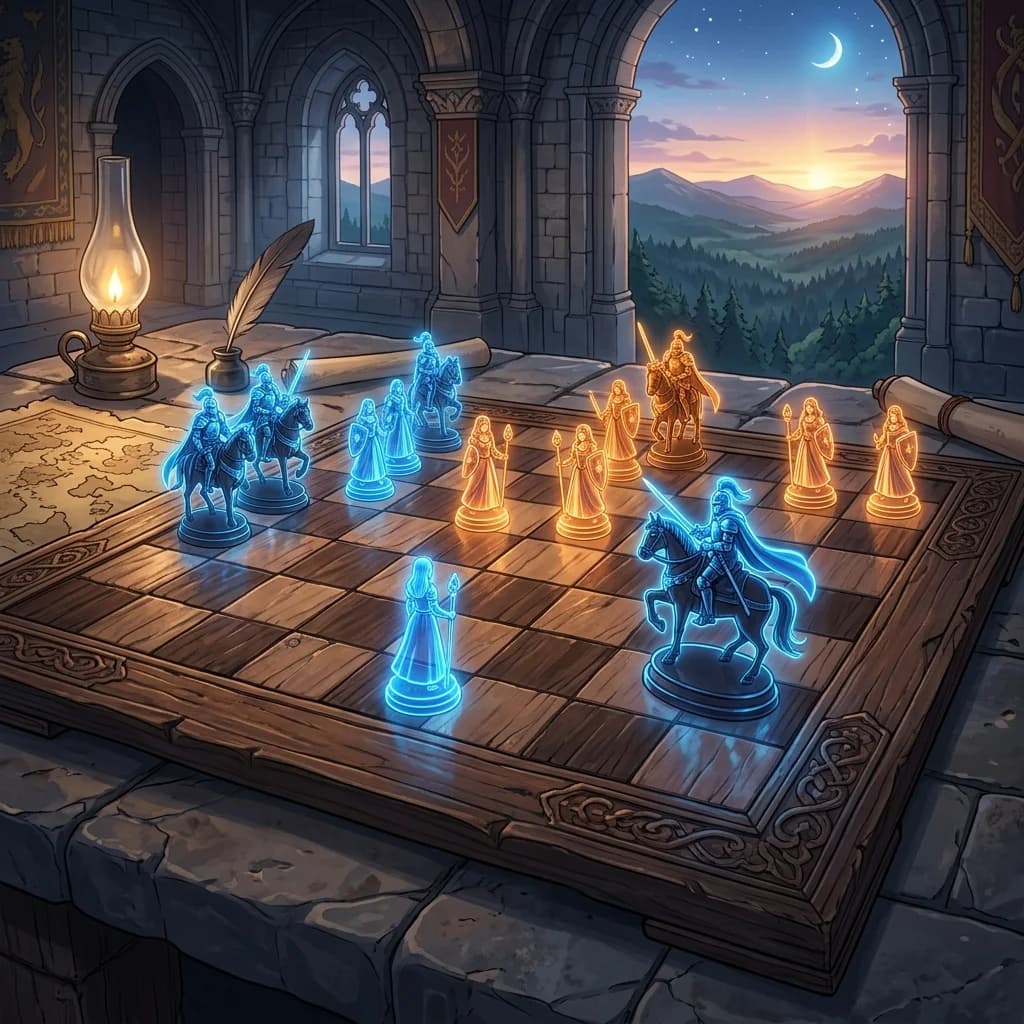
Strategy games are typically defined by resource management, battlefield positioning, and tactical optimization. You command faceless armies, build empires, and analyze spreadsheet-like menus to secure victory. However, some of the best strategy games in 2026 are breaking this template by weaving in relationship-building mechanics. These games prove that battles are not won by stats alone; they are won by the bonds formed between the characters who fight them. By adding interpersonal dynamics to tactical gameplay, developers have created experiences where every casualty hurts and every alliance feels personal.
In this guide, we highlight the seven best strategy games that feature unexpected relationship-building mechanics. These titles combine deep strategic planning with rich character writing, delivering the best of both worlds.
Tactical Minds and Heartfelt Bonds
Risouverse: Blindspot — Psychological Bartending in the Pristine Cage
From the creators of Risouverse: step into Blindspot, our playable narrative bartending experience set within the city's golden-hour dystopia.
Behind the shielded counter of an underground Blindspot bar, corporate wellness trackers can't follow. As the bartender, your craft cocktails and dialogue cards (Insight, Joke, Flirt) are your weapons against the city's emotional numbness. Watch your guest's reactions closely: balance their Guard, Arousal, and Intoxication to peel back the corporate facade and uncover what they truly desire.
Intimacy in Risouverse is an act of defiance. Rather than treating romance as a simple checklist, Blindspot challenges you to navigate high-stakes psychological vulnerability, where peeling back a patron's composure costs real trust and exposes the raw humanity the city tried to erase.
Available to play directly in your browser. Features full audio, expressive dialogue animation, and character voice work.
Play Blindspot now · Read the bartending guide
2. Fire Emblem: Three Houses
Strategy Type: Grid Tactical RPG
Squad Synergy: Support Levels
Unique Hook: School schedule management
Fire Emblem: Three Houses is a classic tactical RPG that famously integrates relationship building into its gameplay loop. As a professor at a military academy, you choose one of three houses of students to lead in battle. Between missions, you manage a weekly schedule: teaching lessons, sharing meals, hosting tea parties, and unlocking support conversations.
Building these relationships directly affects your performance on the battlefield. Characters who have high support levels with each other gain significant combat bonuses when standing adjacent on the grid, and can perform powerful joint attacks. Because the game's story eventually splits, forcing you to fight against former students, your social choices carry massive emotional and strategic consequences.
3. Marvel's Midnight Suns
Strategy Type: Deck-Builder Tactical
Squad Synergy: Abbey Friendship Levels
Unique Hook: Superpowered social life
Marvel's Midnight Suns blends card-based tactical combat with a full friendship simulator. Between missions fighting demonic forces, you explore the Abbey — a secret base where you live alongside legendary Marvel heroes like Iron Man, Wolverine, Blade, and Captain Marvel. You can hang out with them, give them gifts, and participate in social clubs to build friendship levels.
Building these bonds unlocks powerful team-up cards, passive abilities, and stylish outfits. The game does a fantastic job of writing these iconic heroes with vulnerability and humor, making the social elements feel like a genuine part of the experience rather than a side distraction. It is a highly satisfying blend of deep tactical strategy and superpowered bonding.
4. Crusader Kings III
Strategy Type: Grand Strategy
Squad Synergy: Feudal Alliances
Unique Hook: Dynasty management
Crusader Kings III is a grand strategy game where relationships are the primary engine of gameplay. Instead of playing as a country, you play as an individual ruler navigating the complex politics of medieval Europe. Your success depends on your ability to arrange strategic marriages, form alliances, murder rivals, and manage your family dynasty.
Every character in the game has distinct traits, likes, dislikes, and stress levels. A ruler who is cruel might be feared, but they will face constant assassination plots from their disgruntled courtiers. Conversely, a ruler who focuses on building friendships and alliances can secure their borders without fighting a single war. The emergent stories of love, betrayal, and political maneuvering make this one of the deepest strategy games on the market.
5. XCOM 2
Strategy Type: Turn-Based Tactics
Squad Synergy: Soldier Bonds
Unique Hook: Permadeath stakes
XCOM 2 is famous for its punishing difficulty and permadeath mechanics, where a single tactical mistake can result in the permanent loss of a beloved soldier. The game builds on this tension with its Soldier Bonds system. Soldiers who complete missions together build compatibility, which eventually unlocks a bond.
Once bonded, these soldiers gain powerful tactical advantages when deployed together, such as granting each other extra action points or recovering from panic. However, this bond carries a risk: if a bonded partner is killed in battle, the surviving soldier can fall into a state of violent rage or severe panic. This mechanic makes every tactical decision feel incredibly tense, turning your soldiers into a close-knit squad of survivors.
6. Valkyria Chronicles 4
Strategy Type: Real-Time Tactical RPG
Squad Synergy: Potentials & Squad Stories
Unique Hook: Watercolor canvas aesthetic
Valkyria Chronicles 4 blends turn-based strategy with real-time movement, set in an alternate-history European war. The game features a diverse roster of squad members, each with their own personal traits, known as Potentials. These traits are triggered by battlefield conditions: for example, a soldier who is friends with a squadmate gains a stat boost when deploying near them.
By using characters together, you unlock special "Squad Stories" — side missions that focus on the personal relationships and histories of your squad. Completing these stories resolves their personal conflicts and upgrades their Potentials, turning raw recruits into seasoned veterans who trust each other implicitly.
7. Triangle Strategy
Strategy Type: Tactical RPG
Squad Synergy: Scales of Conviction
Unique Hook: Political voting mechanics
Triangle Strategy features deep grid-based combat and a branching narrative shaped by a unique voting system called the Scales of Conviction. You lead a group of advisors who must make high-stakes political decisions, such as whether to hand over a friend to protect a city.
To steer the story, you must talk to your allies, understand their convictions, and persuade them to vote for your preferred choice. Your relationships with your advisors determine how easily they are convinced, directly shaping the path of the war and the battles you must fight. It is a brilliant blend of political strategy and character drama.
Step into Risouverse with Blindspot: a romantic narrative bartending visual novel of dialogue choices, cocktail mixing, and psychological intimacy. Play Blindspot now.
BLINDSPOT
Your shift is waiting.
Blindspot puts you behind the bar in the Risouverse. Talk to your guest, mix drinks, and watch how the conversation changes.
Play BlindspotRomantic Visual Novel · Browser demo · Sign-in required